Eco Clarity and Southern Water celebrate win for innovative closed loop project
FOG Recovery - Food Manufacturers - Salmon

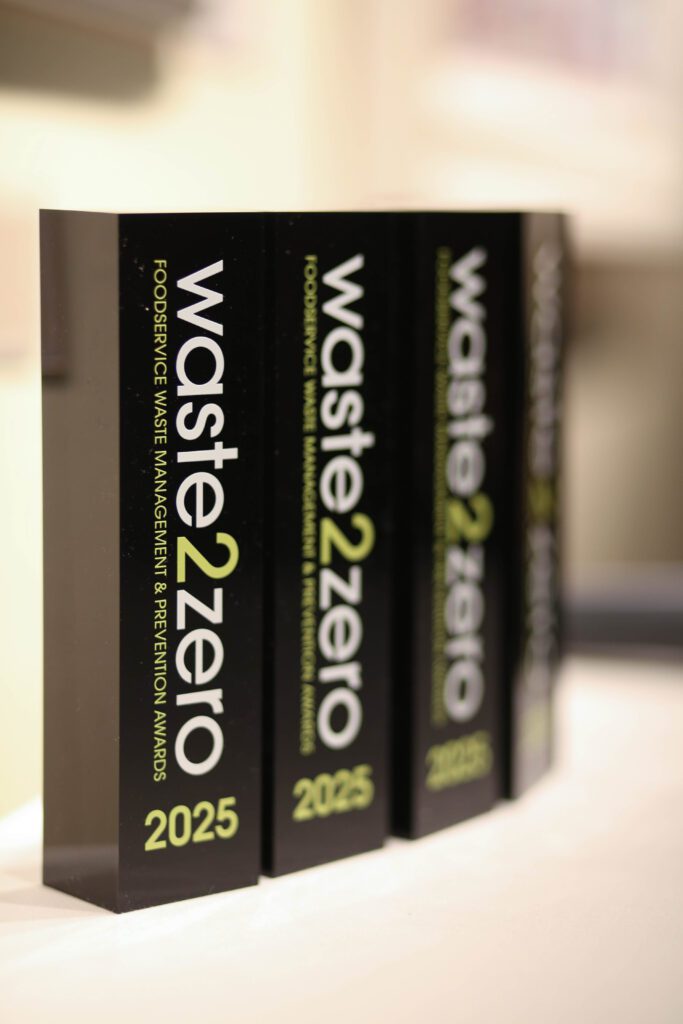
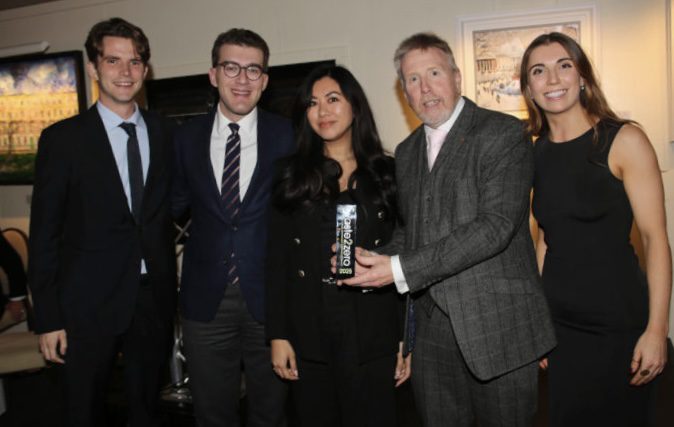
We are proud to share that Eco Clarity, in partnership with Southern Water, has won the Best Closed Loop Project Award at this year’s Waste2Zero Awards. Waste2Zero is the leading national platform that recognises excellence in waste prevention and resource management across the out of home sector.

This award celebrates organisations that are proving what is possible through genuine circularity. For us, it marks an important milestone. Fat, oil and grease (FOG) is no longer an avoidable waste problem. It is a valuable resource that can be kept in circulation rather than ending up in sewers.

Tackling a waste challenge that will not go away

Across the UK, waste remains one of the biggest barriers to sustainability. Food and packaging dominate the conversation, yet hidden within both is a persistent challenge. FOG waste blocks sewers, contributes to fatbergs, increases carbon emissions and drives millions of pounds in reactive maintenance every year.

Eco Clarity’s patented FOG Recovery Hub technology changes this completely. Instead of being disposed of at the lowest value, FOG is recovered, upgraded and transformed into a high-value renewable feedstock. This supports a cleaner wastewater network and cuts CO₂ emissions at scale.

Our closed-loop model keeps this material in use and supports local decarbonisation by feeding into renewable fuel production. This is circularity in action, built for scale and already delivering measurable impact.

Why the award matters

Waste2Zero was the first awards programme in the UK that focused entirely on waste innovation when it launched in 2017. Now in its ninth year, it is judged by an expert panel across sustainability, packaging, resource management and operational strategy.

Winning the Best Closed Loop Project shows that Eco Clarity is not only addressing a national environmental problem. We are leading the transformation of how organisations think about and manage FOG.

Southern Water’s commitment to innovation has been essential to this success. Together, we have shown that utilities, technology partners, local communities and wider stakeholders can build a fully circular model that prevents pollution, strengthens regional engagement and supports wider net zero goals.

A platform for national change

This award is more than recognition. It is momentum and proof that the industry is ready for a new approach that keeps waste in use, reduces reliance on fossil fuels and supports cleaner environments for communities across the country.

A huge thank you to Southern Water for their partnership, to the Waste2Zero judging panel and to everyone who supports our mission.

FOG Recovery - Food Manufacturers - Salmon

Unlocking a new waste stream: The M62 FOG recovery pilot

Eco Clarity Recovering Energy from Wastewater

An innovative approach to transforming kitchen waste

The M62 FOG Recovery Pilot has demonstrated that fat, oil and grease (FOG) waste from restaurant kitchens can be treated not as a disposal problem, but as a valuable new waste stream. Traditionally, GRU (grease recovery unit) waste was either sent to landfill or mixed with other liquid waste streams, limiting its potential for reuse.

With the introduction of the Environment Act 2021, landfill disposal of food waste is no longer permitted, creating an urgent need for a sustainable pathway.

Through this project, GRU waste has been independently collected and processed at Eco Clarity’s North West FOG Recovery Hub in Stockport, where its patented technology upgraded the waste into a renewable feedstock with 99.6% value.

This project is the first of its kind in the UK, where GRU waste has been recognised as a dedicated recoverable stream, creating a new pathway for renewable fuels while supporting the UK’s sustainability and net zero goals.

Project overiew

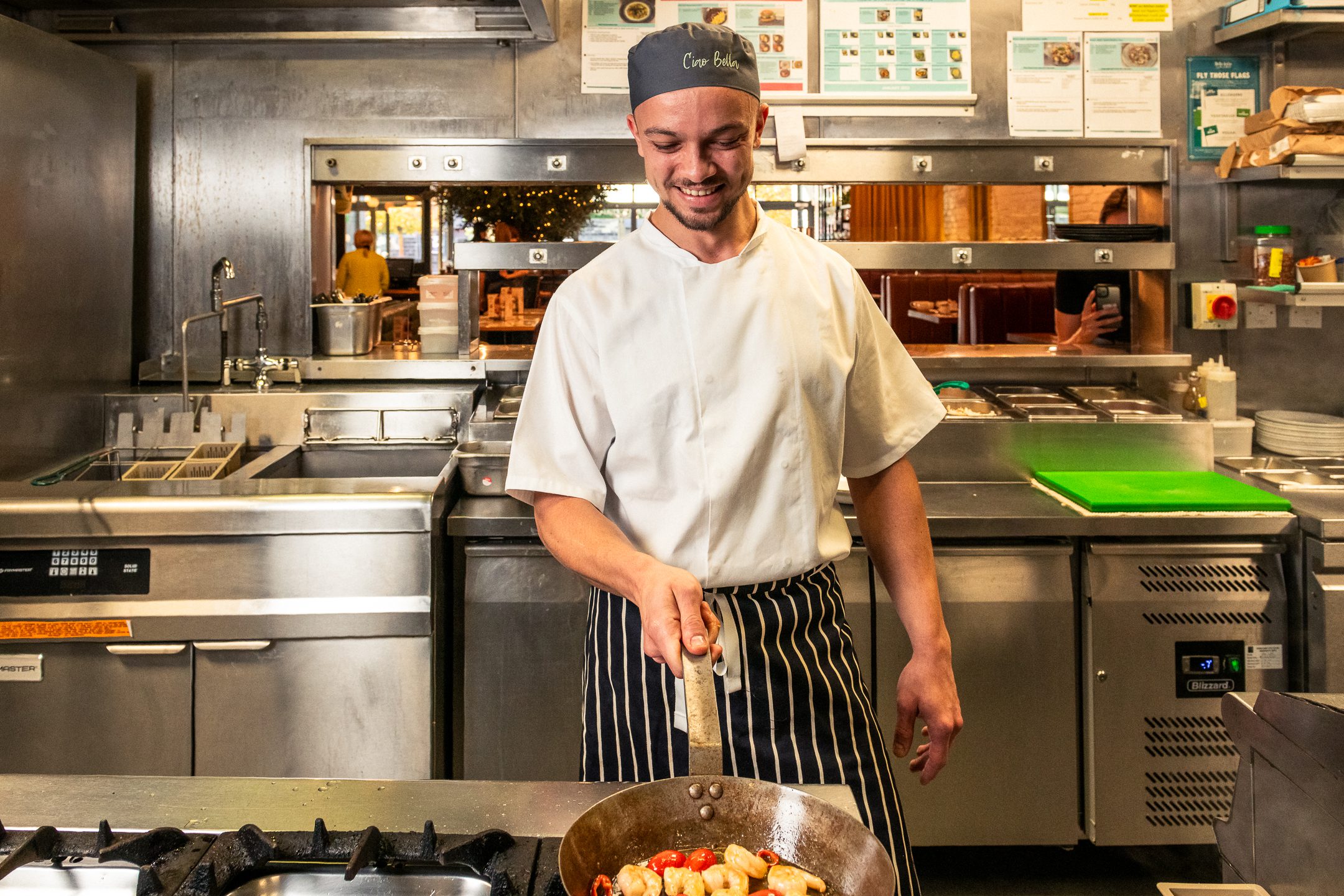
The Big Table Group (BTG), one of the UK’s leading independent restaurant operators, partnered with GreaseTech Drainage Solutions and Eco Clarity to deliver this pilot.

Twenty-five BTG restaurants along the M62 corridor participated, representing brands such as Bella Italia, Las Iguanas, Banana Tree, Frankie & Benny’s, Chiquito, Café Rouge and Amalfi.


Key challenges

Finding a sustainable end-use for GRU waste

Consistent waste handling and staff awareness

Preparing for food waste landfill bans

Key outcomes

GRU waste converted into low-carbon renewable fuel

2,173kg CO₂e emissions prevented from 25 sites over a 6 month period

Carbon savings were accredited directly to BTG supporting their ESG goals

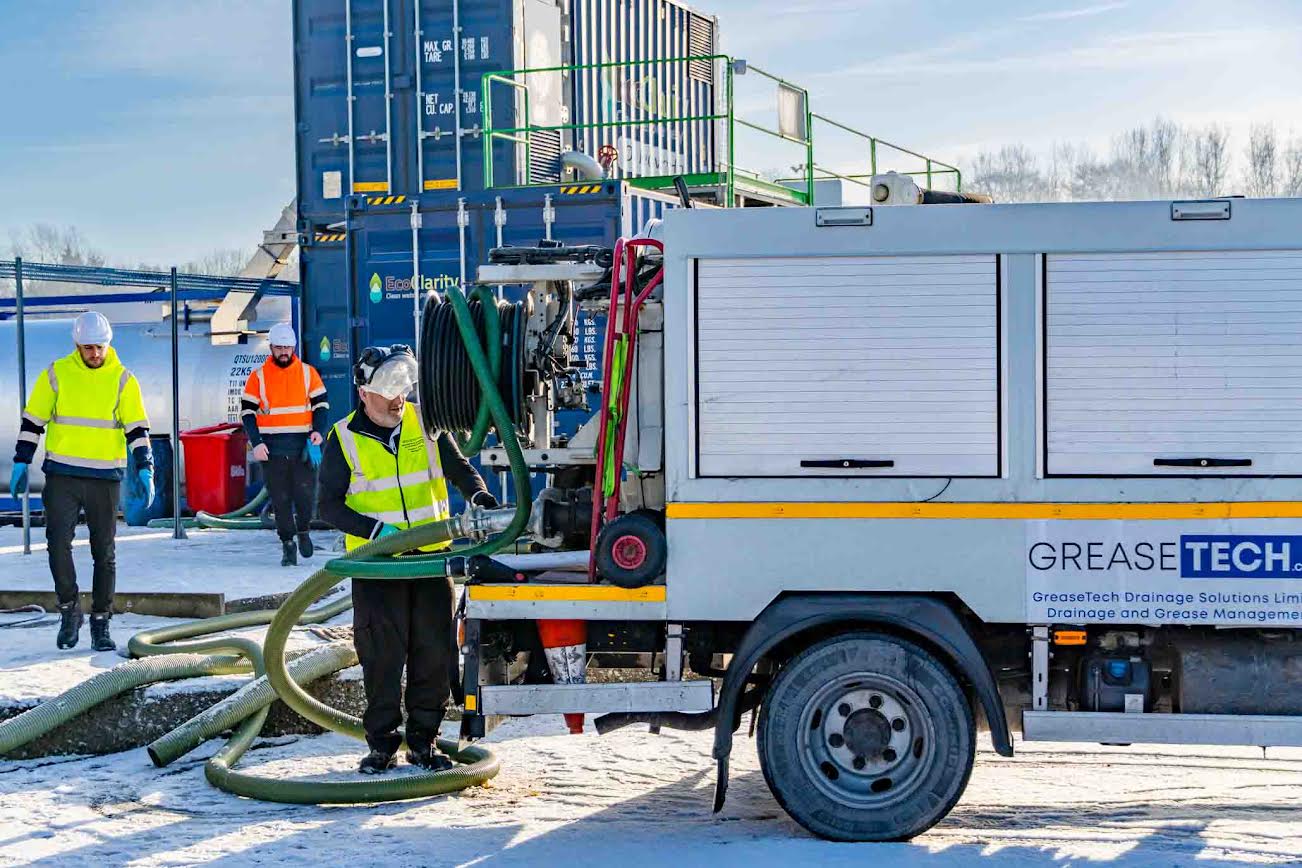
GreaseTech managed servicing and maintenance of all GRUs and traps, consolidating collections across the portfolio. Eco Clarity processed the recovered waste at its Stockport Hub, refining it into a high-value waste feedstock.

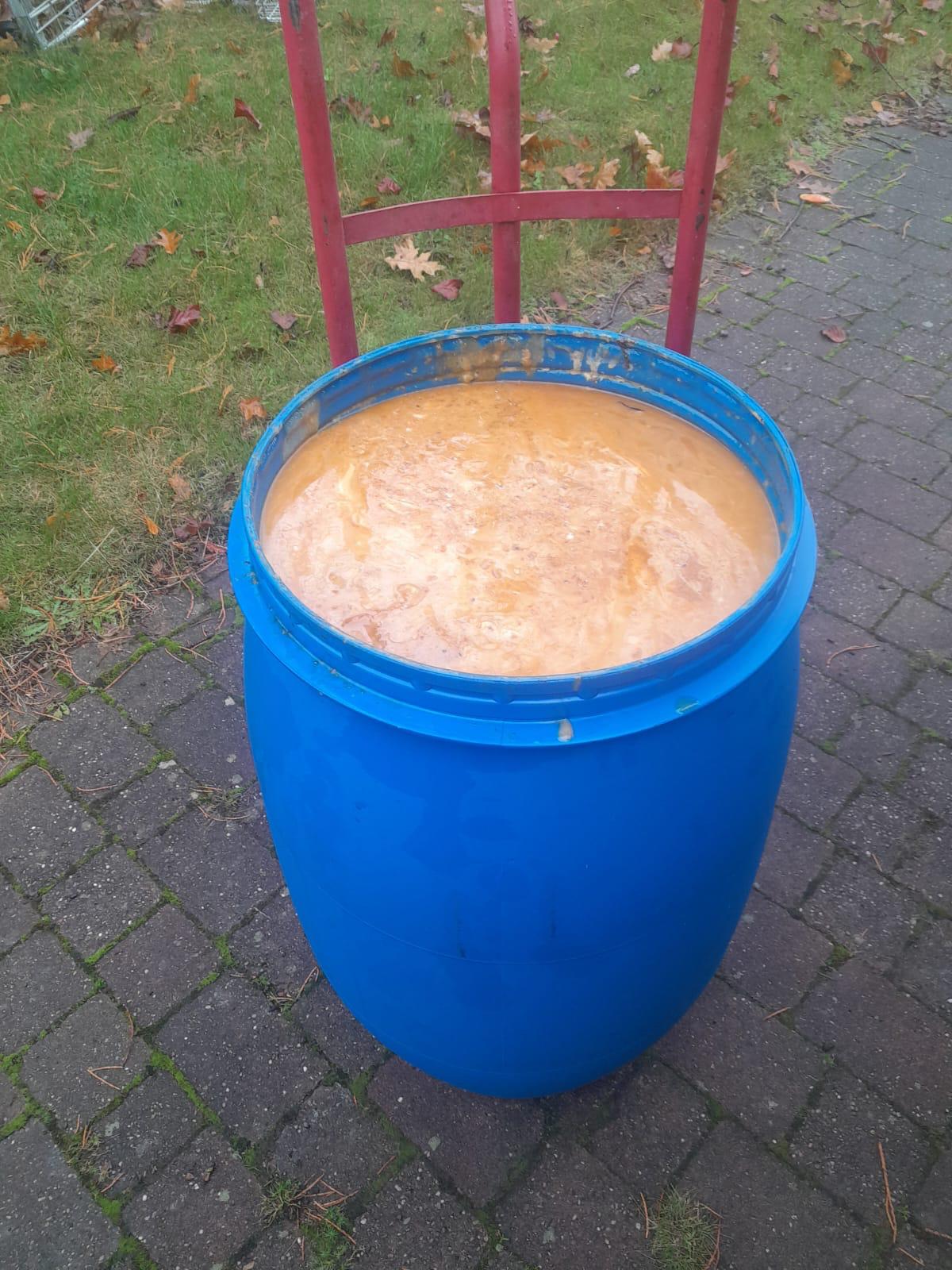
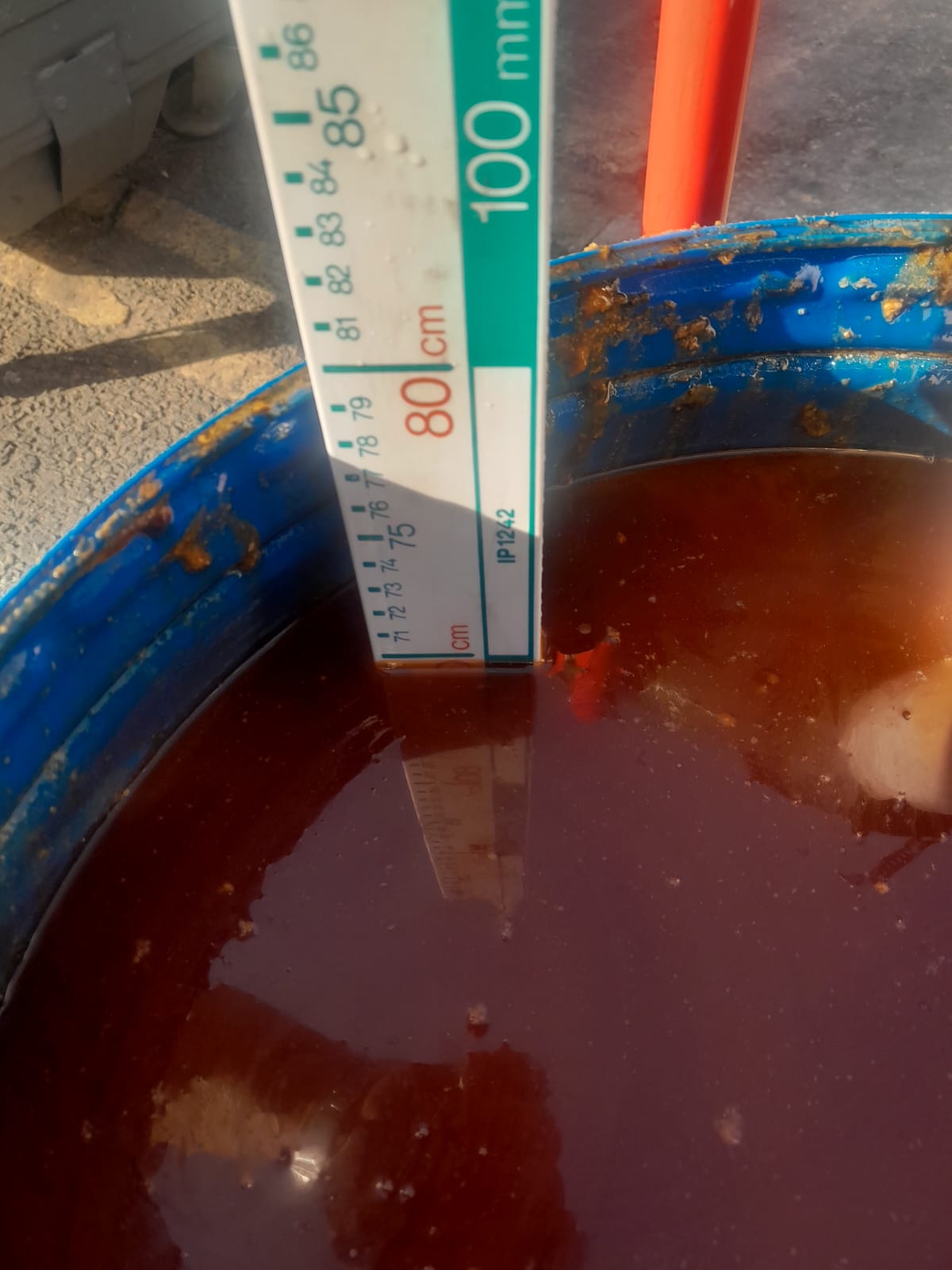
GRU waste included both the wastewater retained within the unit and the skimmed FOG that staff empty daily. Over six months, these streams were collected as a single recovery pathway, demonstrating the full value of GRU waste when treated as a distinct, recoverable material for reuse.

Eco Clarity Recovering Energy from Wastewater

GRU waste was collected from BTG sites and processed at Eco Clarity’s north west hub in Stockport, using innovative technology to transform waste into resource

Key results

3,966kg of GRU waste was recovered and separated into three re-usable streams: FOG, wastewater and solids

From this, 929kg of FOG was successfully upgraded into a 99.6% pure renewable feedstock

This prevented 2,173kg of CO₂e emission

The recovered FOG is now ready for biodiesel production, a renewable fuel that delivers up to 87% fewer carbon emissions compared with fossil diesel

This represents a major shift. What was once mixed, landfilled, or wasted has now been recovered, refined and transformed into a resource for renewable energy.

Practical learnings

The M62 Pilot demonstrated that GRU waste can be successfully recovered and upgraded into a valuable renewable feedstock. It also provided valuable insights into the factors that influence recovery performance across multiple sites.

Staff training and kitchen processes

  • Where training and awareness was strong, GRU waste was managed more effectively. Embedding GRU handling as a mandatory part of daily routines, and reinforcing this through ongoing staff engagement, would help further standardise performance across more sites.

Consistency and waste quality

  • The pilot highlighted some variation in the quality and composition of GRU waste. This was expected in a first-of-its-kind trial and offered important learnings about how site practices influence recovery outcomes. Early sampling suggests that with clearer processes, regular reinforcement, and improved on-site handling, even more FOG could be recovered.

Scalability and coordination

  • Coordinating servicing and collections across 25 restaurants showed that multi-site recovery is achievable. With further refinements in process and logistics, the model can be expanded to a larger portfolio. Scalability will also be accelerated as more FOG Recovery Hubs are established across the UK.

Conclusion

The M62 FOG Recovery Pilot has demonstrated a step-change in sustainable waste management for the hospitality sector. What was once routinely landfilled or discarded as mixed waste has now been independently collected, refined and upgraded into renewable fuel feedstock, creating a cleaner, circular future for FOG recovery in the UK.

“This project shows what’s possible when we work together, turning an overlooked challenge into a real opportunity for environmental action and setting the blueprint for GRU recovery nationwide.”

Chris Clemes, Eco Clarity

When processed into biodiesel, this feedstock delivers up to 87% lower carbon emissions than fossil diesel, creating a new renewable pathway for UK road transport while supporting the UK’s circular economy and net zero ambitions.

“To put it simply, we’ve gone from seeing GRU waste as a disposal problem to seeing it as part of the sustainability solution.”
Karl Tindall, The Big Table Group

By working together, Eco Clarity, GreaseTech, and The Big Table Group have proven that GRU waste is not just a waste, but has the potential to be converted into a valuable resource.

“The purpose of the project was to demonstrate the previously unrecognised carbon credentials of a Grease Recovery Unit and the FOG waste it collects, and we have certainly achieved this!”

Stephen Edwards, GreaseTech

Ready to recover more from your waste?

We’re helping businesses across the UK turn FOG and GRU waste into renewable value. 

Eco Clarity named Most Promising Young Business and Innovation winner

FOG Recovery - Food Manufacturers - Salmon

We are incredibly proud to share that Eco Clarity has been recognised with two awards at this year’s Stockport Business Awards. We took home Most Promising Young Business, sponsored by Stockport Council with Stockport Economic Alliance and The Innovation Award, sponsored by CN Financial Planners.

Both awards mark a huge milestone in our first year of operations in Stockport, recognising the progress we have made in creating a circular and sustainable solution for managing fats, oils, and grease (FOG) waste.

At Eco Clarity, our mission is to stop FOG pollution before it reaches sewers by recovering and recycling it into renewable energy. We work with all stakeholders from food producers, to waste hauliers, water companies and local authorities, to close the loop and turn waste into a resource that supports cleaner networks, carbon reduction and biofuel production.

Laura Su, who collected the awards on behalf of Eco Clarity, said:

“We are so incredibly proud to be recognised for not one, but two awards in our first year of operations in Stockport. These awards are a reflection of the hard work, belief and innovation across our whole team and partners. We are ready to make big environmental change right here from Stockport across Greater Manchester and the wider North West region.”

Our sincere thanks go to Stockport Council, Stockport Economic Alliance and CN Financial Planners for sponsoring these awards, and to the Stockport Business Awards team for hosting such an inspiring evening celebrating local business excellence.

We’re proud to base our team and innovation in Stockport, driving the future of sustainable FOG management across the region.

See how we support local businesses at our Food Manufacturers page

FOG Recovery - Food Manufacturers - Salmon

FOG waste to biodiesel: sustainability opportunities for food factories

FOG Recovery - Food Manufacturers - Salmon

Food manufacturers across the UK face increasing pressure to improve sustainability performance. From packaging and energy use to responsible sourcing, the industry has made significant progress in addressing environmental challenges.

But one by-product often remains overlooked: fat, oil and grease (FOG) waste.

Everyday production in food factories creates unavoidable FOG streams. Traditionally, these are managed as a compliance task, collected, disposed of, and considered a cost of doing business. Yet this conventional approach misses a crucial opportunity.

How is FOG a sustainability opportunity?

At Eco Clarity, we recover FOG from wastewater streams and transform it into renewable feedstock for biodiesel. Every litre of FOG recovered can save up to 2.34kg of CO₂e, helping manufacturers cut emissions and reduce reliance on fossil fuels.

Unlike traditional disposal routes, Eco Clarity not only recovers valuable FOG waste from wastewater but also provides certified carbon data for ESG reporting. This builds transparency and credibility with regulators, investors and customers, turning what was once a compliance burden into a measurable sustainability outcome.

“At Argent Energy, our commitment is to create sustainable fuels from waste materials that would otherwise have no value. Eco Clarity’s work with food manufacturers is a vital part of this journey, recovering fat, oil and grease (FOG) from production and converting it into renewable feedstock for biodiesel.


In our UK operations, we run a FOG Recovery Hub that treats wastewater streams and recovers residual fats and oils for conversion into high-quality biodiesel. This helps us stay compliant, cut emissions and demonstrate measurable progress towards net zero.


We are proud to work alongside Eco Clarity as they unlock new waste streams at source and return it to the value chain, ensuring no resource is wasted.”Jan Jaap Rodenburg, Argent Energy

By working with industry partners like Argent Energy, we are helping food manufacturers unlock new sustainability opportunities and create circular solutions for the food system.
Eco Clarity Argent Energy

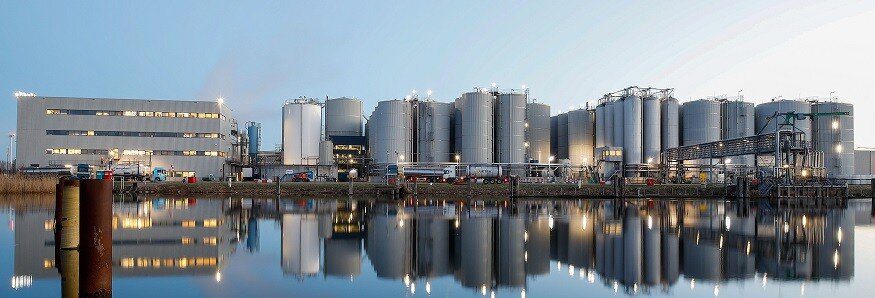
Argent Energy, where waste is converted into sustainable biodiesel.

Environmental benefits

Recovering and recycling FOG delivers tangible environmental benefits that extend beyond compliance:

  • Carbon reductions
    Each litre of FOG recovered can save up to 2.34kg of CO₂e, directly contributing to carbon reduction targets.
  • Low-carbon fuel
    Through Argent Energy, FOG is converted into biodiesel that produces up to 87% fewer emissions than traditional fossil diesel.
  • Circular value
    What was once waste is returned to the value chain as renewable fuel, supporting a more resource-efficient food system.

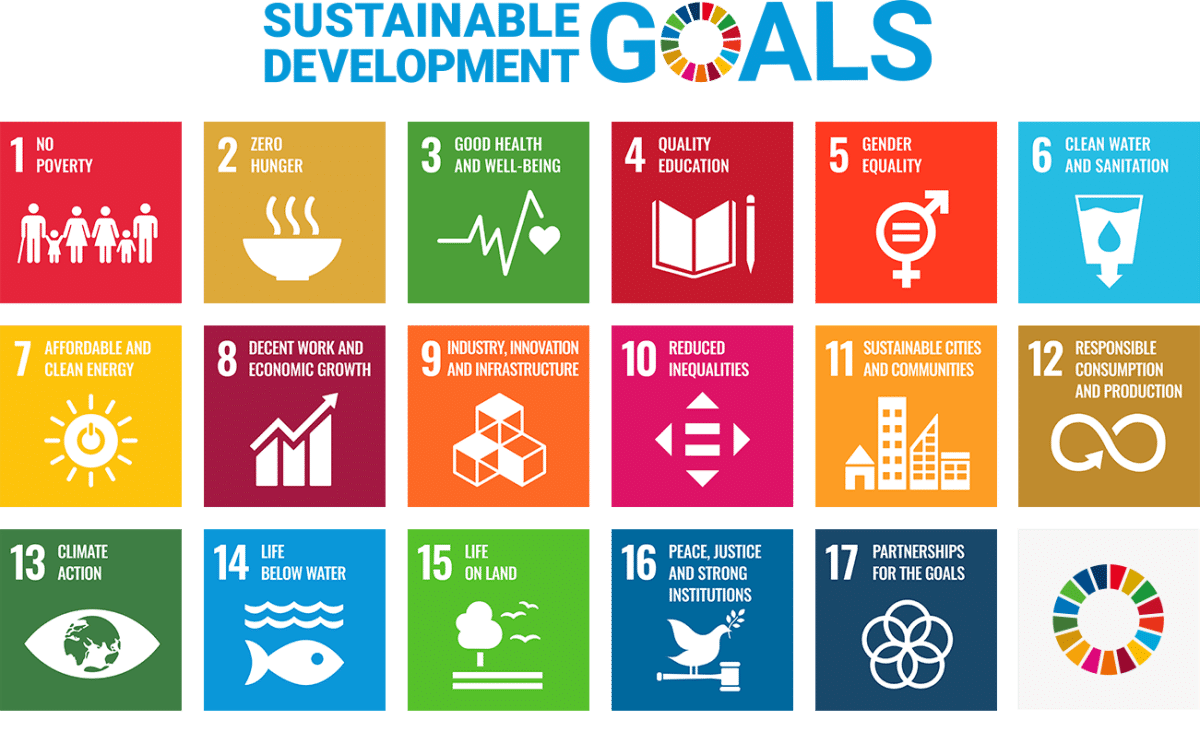
These benefits directly support the UK’s net zero ambitions and the United Nations Sustainable Development Goals (SDGs)

Why this matters for food manufacturers

The UK food system is facing tighter regulations under the Environment Act 2021 and growing pressure to deliver on Scope 3 emissions. For food manufacturers, this means that every by-product and waste stream is now under greater scrutiny, with compliance and sustainability performance closely linked.

By rethinking their approach to FOG waste, manufacturers can reduce operational risk and ensure compliance with the Water Industry Act 1991, avoiding costly blockages, fines and reputational damage. Beyond compliance, managing FOG responsibly also demonstrates leadership in sustainability. With credible, data-backed reporting, manufacturers can show progress on ESG targets and provide transparency to regulators, investors and customers.

Finally, turning FOG into renewable fuel directly supports circular economy goals. Instead of being treated as a costly waste stream, FOG becomes a resource that contributes to carbon savings and reduces reliance on fossil fuels. This positions food manufacturers not only as compliant but as active participants in building a more sustainable food system.

Eco Clarity Argent Energy

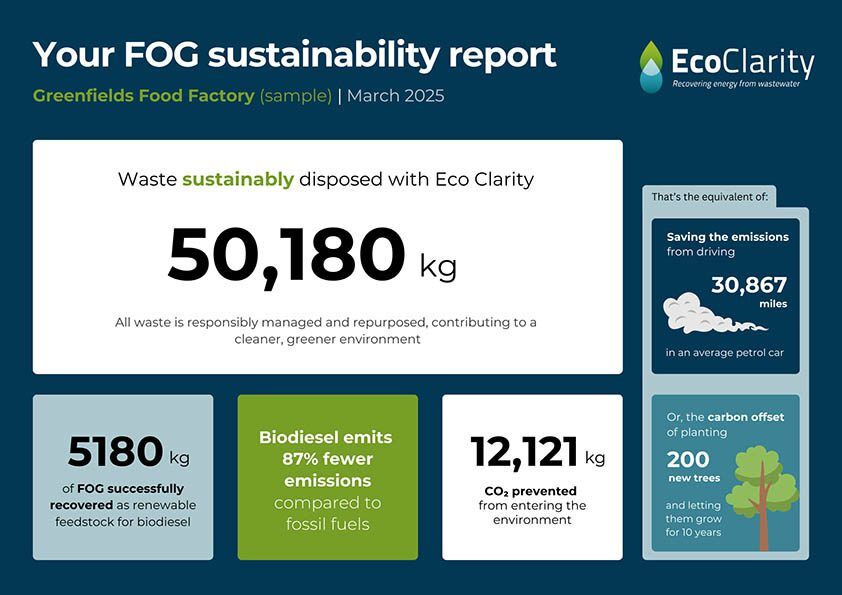
Your FOG sustainability report: measurable waste recovery and carbon savings

Looking ahead

FOG waste will always be a by-product of food manufacturing, but it does not have to be a burden. Managed effectively, it can become part of a broader sustainability strategy, delivering carbon savings, supporting compliance, and contributing to the circular economy.

Eco Clarity’s FOG Recovery Hubs show how innovation can turn an overlooked waste stream into measurable value. By working with partners like Argent Energy, we are proving that food manufacturers can play an active role in decarbonisation while continuing to focus on their core operations.

As regulations tighten and the pressure to deliver Scope 3 emissions reductions increases, those who act early will be best placed to show leadership. FOG recovery is not just about waste management, it is about unlocking a new resource that helps the industry move closer to net zero.

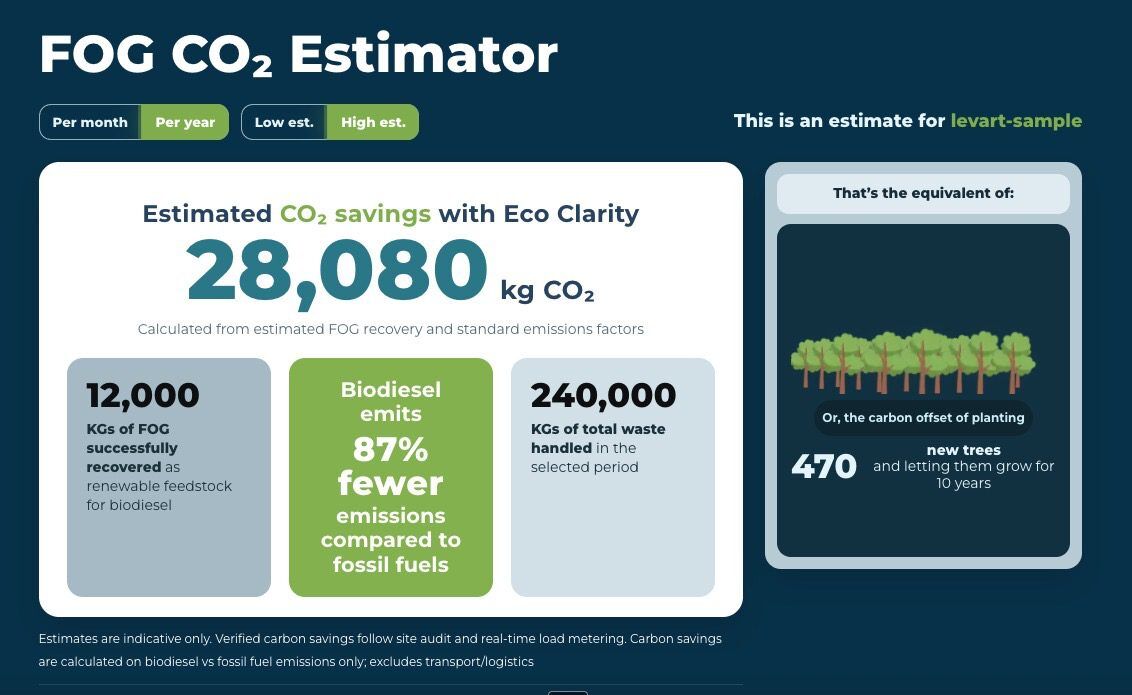
Find out how Eco Clarity can help your food manufacturing operations turn FOG waste into measurable sustainability outcomes. Or try our Carbon Savings Estimator to see how much CO₂ your business could save.

Want to calculate your CO₂ savings with Eco Clarity?

Fill in the form to get your instant carbon savings report, customised to your business.

Estimates are indicative only. Verified carbon savings follow site audit and real-time load metering.

How FOG recovery powers real progress on the SDGs

EcoClarity Kitchen Waste Disposal

At Eco Clarity, our mission is simple: recover FOG waste that’s already gone down the drain and turn it into something useful.

But that mission doesn’t exist in a vacuum. It aligns closely with the United Nations Sustainable Development Goals (SDGs), a global framework for building a cleaner, fairer and more resilient future by 2030.

While FOG (fats, oils and grease) waste may not make the headlines, managing it properly has real world impacts across multiple SDGs.


Here’s how our work contributes:

🟦 Goal 6: Clean water and sanitation

Ensure availability and sustainable management of water and sanitation for all

FOG waste is a major contributor to sewer blockages, overflows and pollution across the water network.

By recovering FOG at source and preventing it from entering the drainage network, we help protect vital wastewater infrastructure and improve the quality of urban water environments.

Our recovery hubs are designed to keep waste out of sewers, before it becomes problematic.

🟧 Goal 7: Affordable and clean energy

Ensure access to affordable, reliable, sustainable and modern energy for all

The FOG we recover isn’t just waste, it’s feedstock. Once processed, it’s used in the production of renewable, low-carbon fuel.

This directly supports the UK’s biofuel sector and contributes to the transition away from fossil fuels, emitting 87% less carbon into the atmosphere.

By recovering value from waste, we’re helping to make clean energy more accessible, local and circular.

🟨 Goal 9: Industry, innovation and infrastructure

Build resilient infrastructure, promote inclusive and sustainable industrialisation and foster innovation

Our FOG Recovery Hubs are modular, automated and scalable. By designing a circular solution that works with existing waste systems and can be deployed locally, we’re creating practical infrastructure already operating in key UK regions, including Yorkshire and the North West.

Eco Clarity FOG Recovery Hub Hull

Eco Clarity FOG Recovery Hubs are modular, automated and scalable

🟫 Goal 12: Responsible consumption and production

Ensure sustainable consumption and production patterns

FOG waste is often treated as a nuisance, but when managed properly, it becomes part of a circular resource system. Food producers, waste contractors, and commercial kitchens can reduce their environmental impact by ensuring FOG is recovered, not discarded.

Through conversion into low-carbon feedstock and real-time carbon reporting, our approach supports more responsible and measurable waste management practices.

🟩 Goal 13: Climate action

Take urgent action to combat climate change and its impacts

At Eco Clarity, we help combat climate change by recovering FOG waste and converting it into low-carbon feedstock for renewable fuel, cutting emissions by up to 87% compared to fossil fuels.

Our technology enables businesses to reduce their environmental impact and track their carbon savings in real time, supporting practical progress toward net zero goals.

Small-scale waste, big-impact thinking

At first glance, FOG waste might seem like a small issue. But in reality, it’s a major contributor to sewer pollution, infrastructure strain and missed resource potential.

That’s why we’re focused on solving the waste you don’t usually see, with systems that are smart, circular and ready to scale.

We’re proud that our work supports the SDGs, and even prouder that it’s making a measurable difference every day.

Want to know more about how Eco Clarity supports sustainable development in practice?

Get in touch Laura Su
or contact us at enquiries@eco-clarity.com

Call Now Button