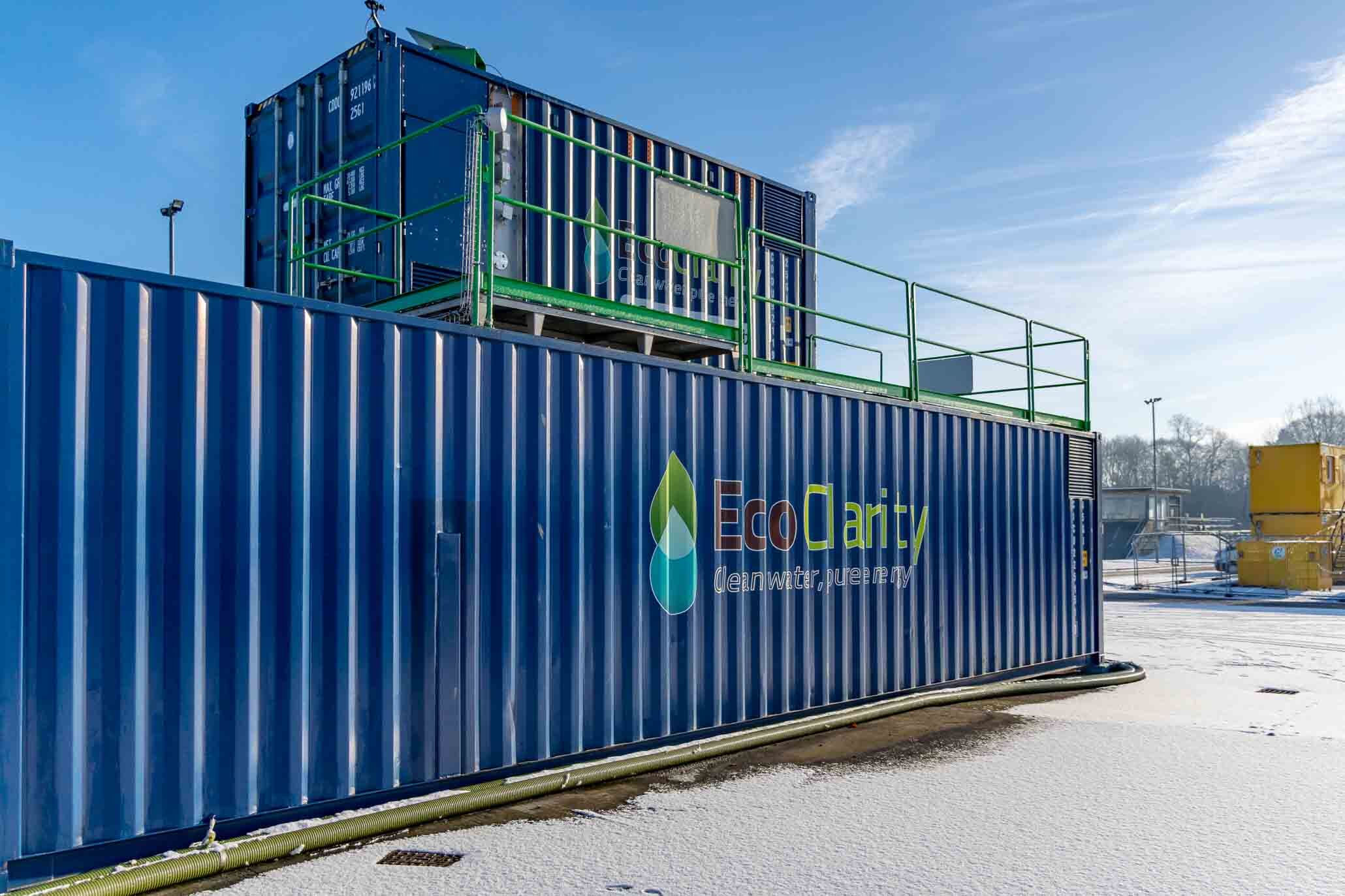
Do you know where your grease trap waste ends up?

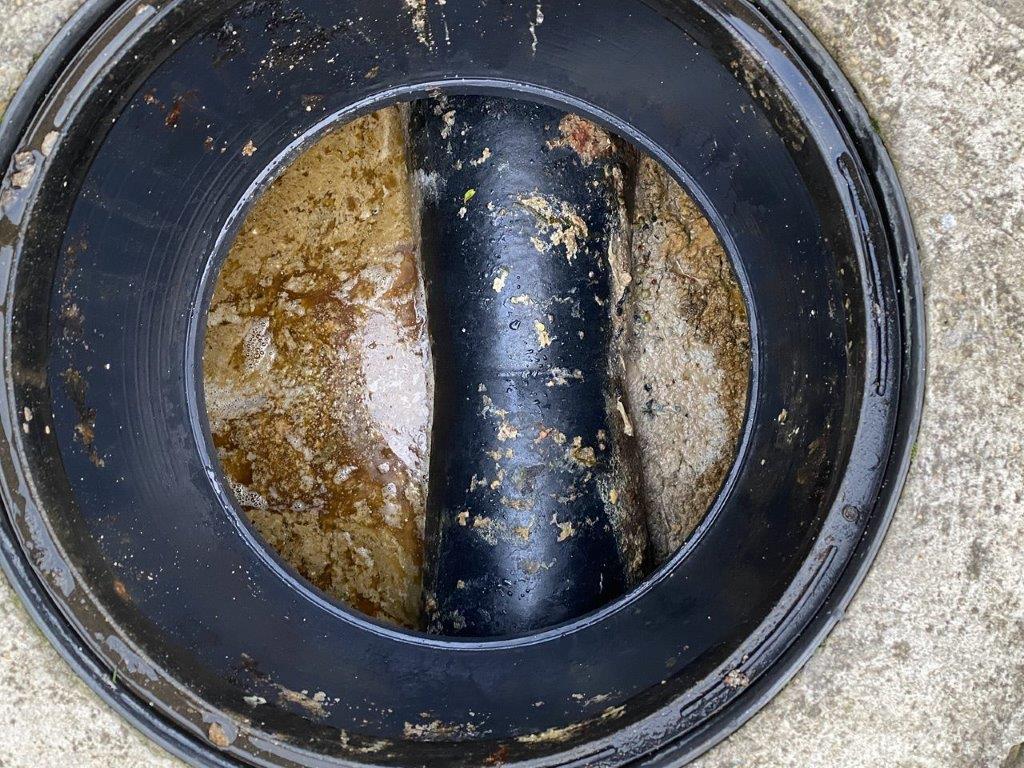
outside grease trap full of fat, oil and grease

For many food businesses, once the grease trap has been emptied, the job feels finished. The drains are clear, production continues and the waste is gone. But is it really?

Every litre of fat, oil and grease (FOG) waste collected from your site has a destination. If it is not taken to a licensed recycling facility, your business can still be responsible for what happens next.

Why it matters

Grease trap waste that is not handled correctly does not disappear. It can end up poured into sewers, mixed with other waste, or dumped illegally. When this happens, it contributes to blockages and pollution incidents.

Under UK law, the producer of the waste remains responsible until it is safely and legally disposed of, even if a contractor removes it. This is part of your Duty of Care under the Environmental Protection Act 1990.

If your waste causes a pollution incident, both you and your contractor could face fines or enforcement action from the Environment Agency or your local water company.

Your legal obligations

Food manufacturers, processors and producers have a legal duty to comply with regulations controlling FOG waste.

Water Industry Act 1991, Section 111
It is an offence to discharge anything into public sewers that may cause blockages or interfere with flow.
Section 111 Restrictions on use of public sewers

Environmental Protection Act 1990
All businesses must store, transport and dispose of waste safely through licensed carriers.
Dispose of business or commercial waste

Building Regulations (Approved Document H)
Commercial hot food premises should install grease separators or other effective means of preventing FOG from entering drains.

Statutory guidance for drainage and waste disposal

Failure to meet these obligations can result in fines, clean-up costs and possible prosecution.

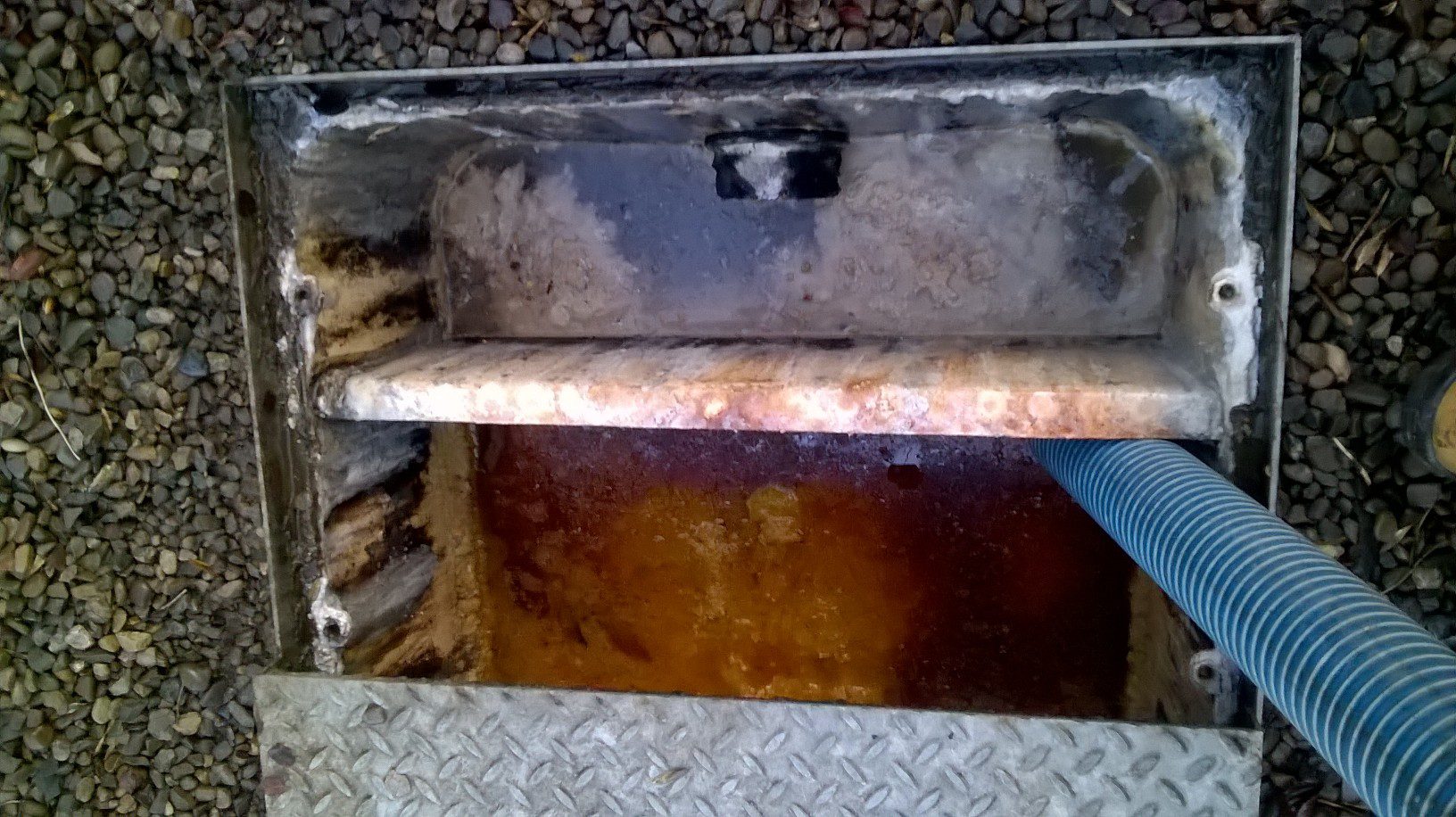
grease trap being pumped out

If your grease trap isn’t emptied often enough, it can overflow, block drains and lead to costly pollution fines.

What you are liable for

    • Installation and maintenance
      If your site does not have a suitable grease trap or it is not serviced regularly, you may be liable for any resulting damage or blockages.

    • Waste disposal chain
      Even if you use a contractor, you are responsible for ensuring they are licensed and that the waste goes to an approved facility.

    • Records and proof
      You must keep waste transfer notes and documentation showing how your FOG waste is handled and where it goes.

    • Environmental impact
      Illegal dumping or poor management can lead to pollution, odour problems and damage to local infrastructure, all traceable back to your business.

What you should do

    • Check your contractors
      Ask for their waste carrier licence and the permit of the facility they use.
      Check a waste carrier licence here

    • Keep records
      Keep copies of all waste transfer notes for at least two years. These must include details of what was collected, when, by whom and where it went.

    • Schedule regular maintenance
      Grease traps should be emptied and cleaned on a regular schedule depending on kitchen use. For high-output sites, this could mean every four to six weeks.

    • Ask where your waste goes
      Responsible contractors will tell you exactly where the waste is recycled or processed. If they cannot, that is a red flag.

    • Choose recycling
      When grease trap waste is recycled through licensed FOG recovery facilities, it can be converted into renewable biofuel feedstock rather than sent to landfill.

In summary

If you cannot confidently answer the question “Where does our grease trap waste go?” it is time to find out. Poor management of FOG waste risks more than your drains. It can lead to fines, reputational damage and environmental harm.

At Eco Clarity, we work with food manufacturers, producers and waste management companies to make sure grease trap waste is tracked, recycled and turned into renewable energy. This helps businesses stay compliant and be more sustainable.

Ready to recover more from your waste?

We’re helping businesses across the UK turn FOG and GRU waste into renewable value. 

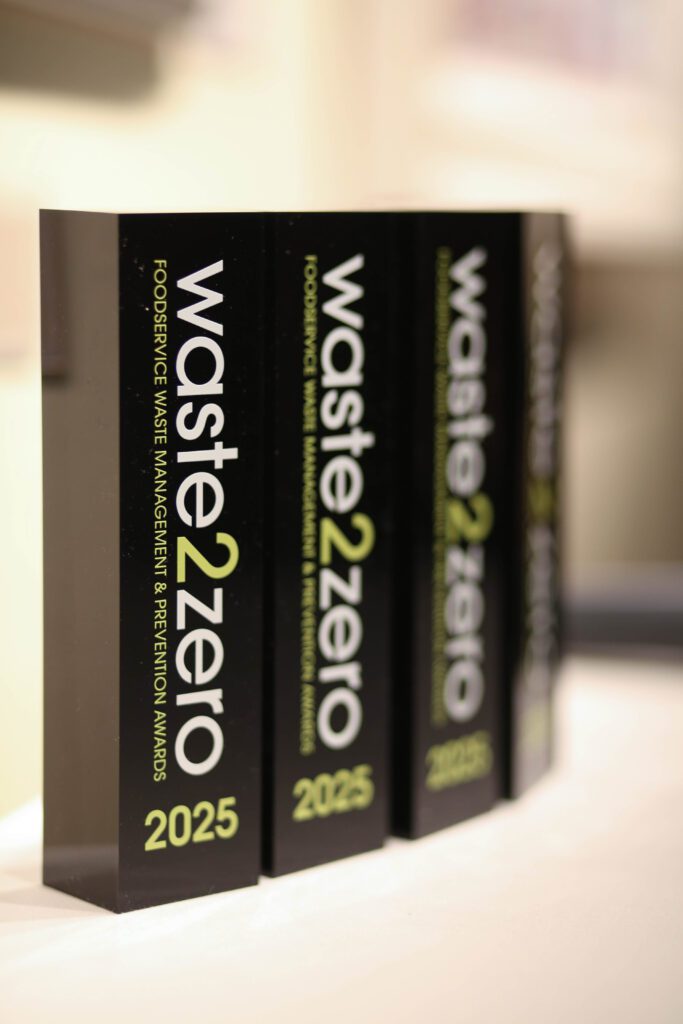
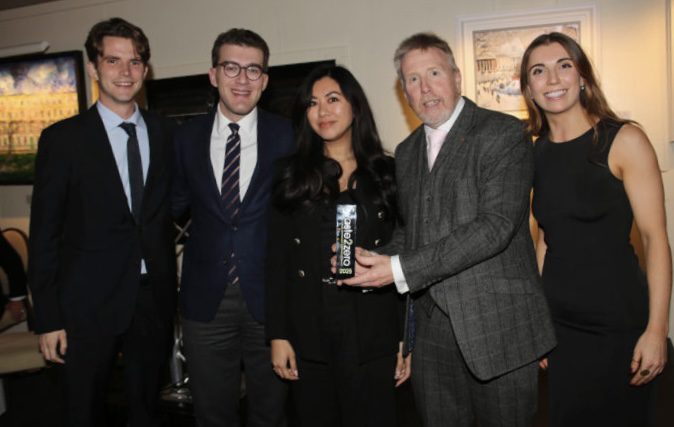
Eco Clarity named Most Promising Young Business and Innovation winner

FOG Recovery - Food Manufacturers - Salmon

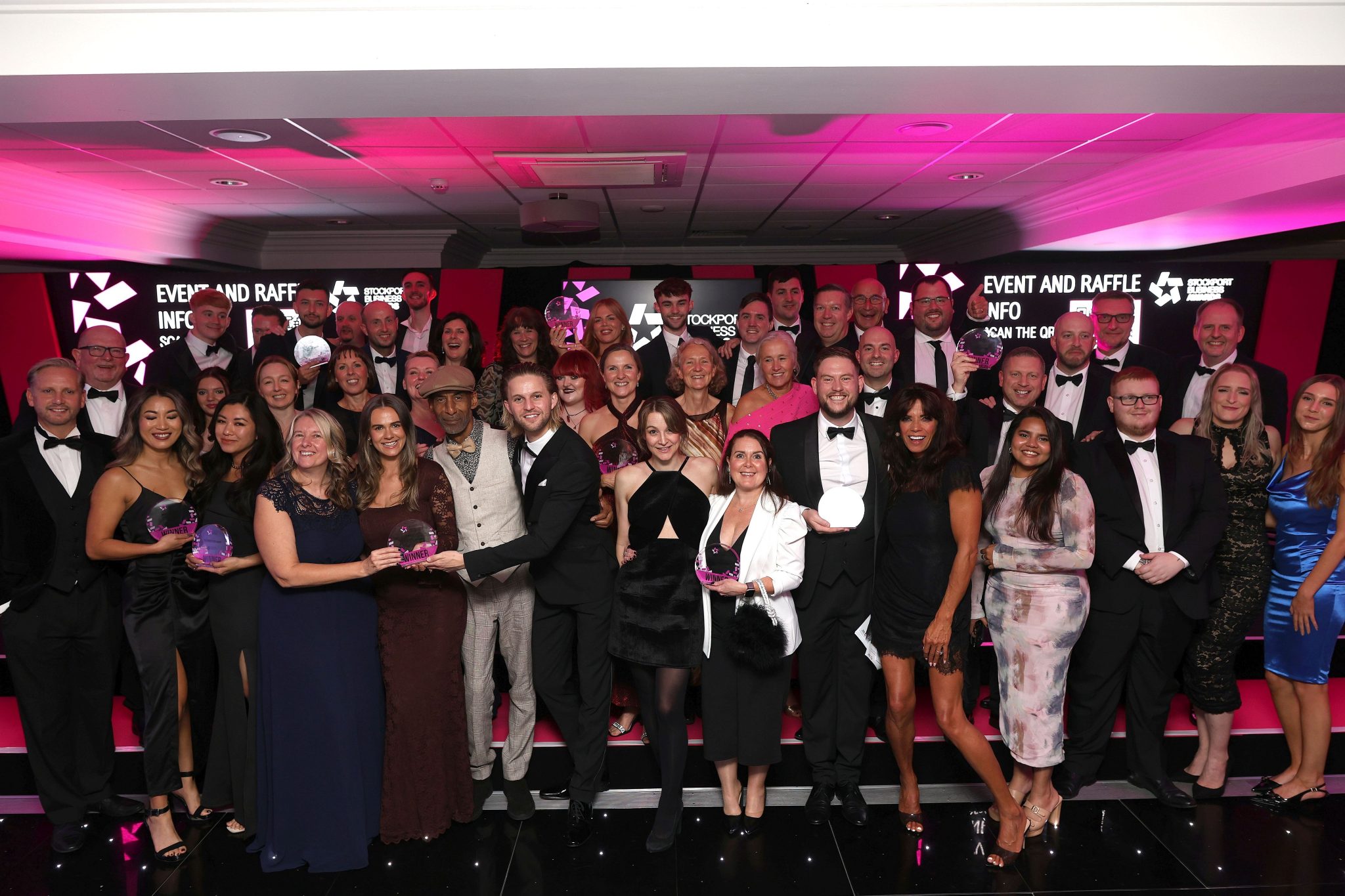
We are incredibly proud to share that Eco Clarity has been recognised with two awards at this year’s Stockport Business Awards. We took home Most Promising Young Business, sponsored by Stockport Council with Stockport Economic Alliance and The Innovation Award, sponsored by CN Financial Planners.

Both awards mark a huge milestone in our first year of operations in Stockport, recognising the progress we have made in creating a circular and sustainable solution for managing fats, oils, and grease (FOG) waste.

At Eco Clarity, our mission is to stop FOG pollution before it reaches sewers by recovering and recycling it into renewable energy. We work with all stakeholders from food producers, to waste hauliers, water companies and local authorities, to close the loop and turn waste into a resource that supports cleaner networks, carbon reduction and biofuel production.

Laura Su, who collected the awards on behalf of Eco Clarity, said:

“We are so incredibly proud to be recognised for not one, but two awards in our first year of operations in Stockport. These awards are a reflection of the hard work, belief and innovation across our whole team and partners. We are ready to make big environmental change right here from Stockport across Greater Manchester and the wider North West region.”

Our sincere thanks go to Stockport Council, Stockport Economic Alliance and CN Financial Planners for sponsoring these awards, and to the Stockport Business Awards team for hosting such an inspiring evening celebrating local business excellence.

We’re proud to base our team and innovation in Stockport, driving the future of sustainable FOG management across the region.

See how we support local businesses at our Food Manufacturers page

FOG Recovery - Food Manufacturers - Salmon

FOG waste to biodiesel: sustainability opportunities for food factories

FOG Recovery - Food Manufacturers - Salmon

Food manufacturers across the UK face increasing pressure to improve sustainability performance. From packaging and energy use to responsible sourcing, the industry has made significant progress in addressing environmental challenges.

But one by-product often remains overlooked: fat, oil and grease (FOG) waste.

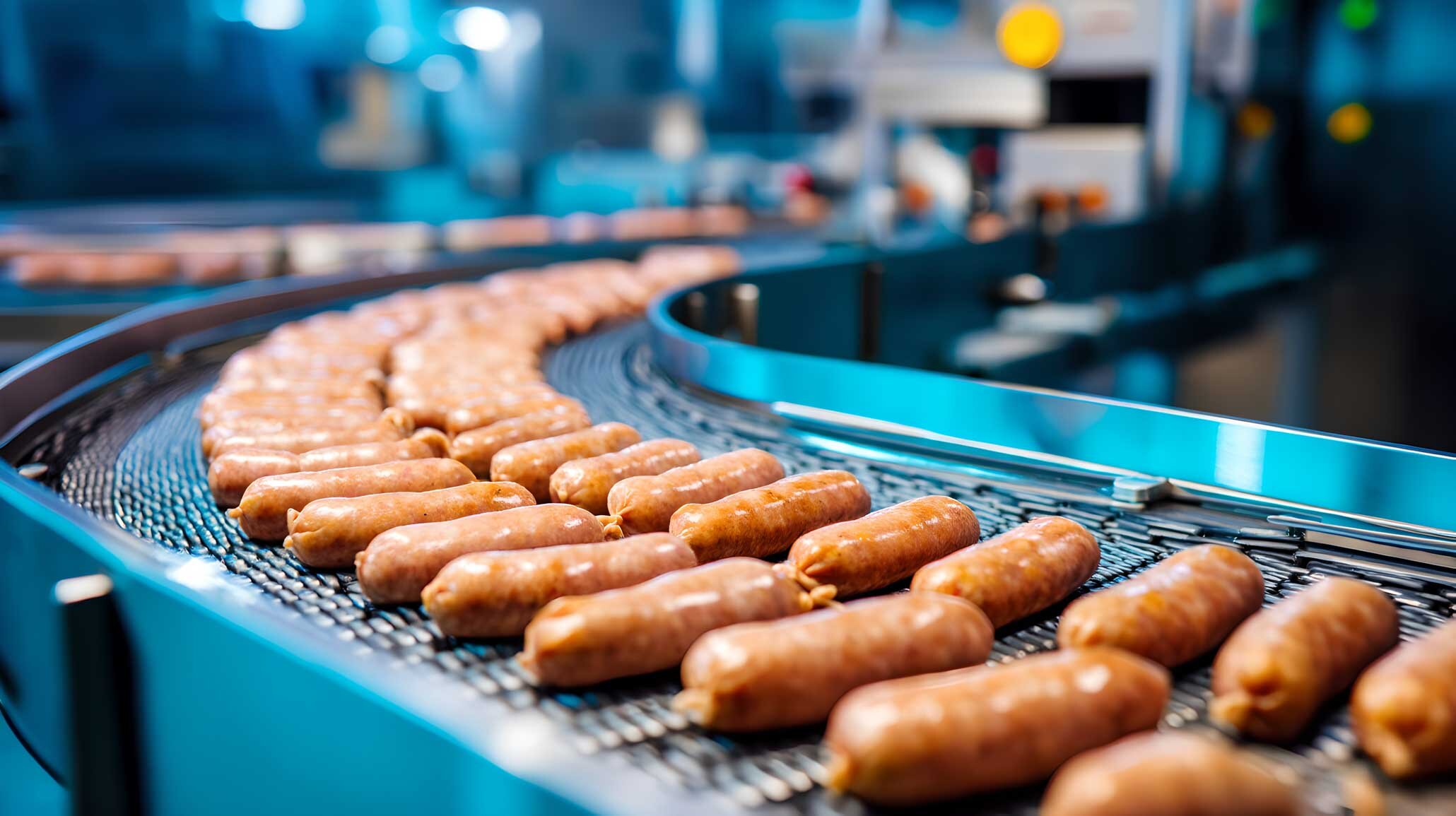
Everyday production in food factories creates unavoidable FOG streams. Traditionally, these are managed as a compliance task, collected, disposed of, and considered a cost of doing business. Yet this conventional approach misses a crucial opportunity.

How is FOG a sustainability opportunity?

At Eco Clarity, we recover FOG from wastewater streams and transform it into renewable feedstock for biodiesel. Every litre of FOG recovered can save up to 2.34kg of CO₂e, helping manufacturers cut emissions and reduce reliance on fossil fuels.

Unlike traditional disposal routes, Eco Clarity not only recovers valuable FOG waste from wastewater but also provides certified carbon data for ESG reporting. This builds transparency and credibility with regulators, investors and customers, turning what was once a compliance burden into a measurable sustainability outcome.

“At Argent Energy, our commitment is to create sustainable fuels from waste materials that would otherwise have no value. Eco Clarity’s work with food manufacturers is a vital part of this journey, recovering fat, oil and grease (FOG) from production and converting it into renewable feedstock for biodiesel.


In our UK operations, we run a FOG Recovery Hub that treats wastewater streams and recovers residual fats and oils for conversion into high-quality biodiesel. This helps us stay compliant, cut emissions and demonstrate measurable progress towards net zero.


We are proud to work alongside Eco Clarity as they unlock new waste streams at source and return it to the value chain, ensuring no resource is wasted.”Jan Jaap Rodenburg, Argent Energy

By working with industry partners like Argent Energy, we are helping food manufacturers unlock new sustainability opportunities and create circular solutions for the food system.
Eco Clarity Argent Energy

Argent Energy, where waste is converted into sustainable biodiesel.

Environmental benefits

Recovering and recycling FOG delivers tangible environmental benefits that extend beyond compliance:

  • Carbon reductions
    Each litre of FOG recovered can save up to 2.34kg of CO₂e, directly contributing to carbon reduction targets.
  • Low-carbon fuel
    Through Argent Energy, FOG is converted into biodiesel that produces up to 87% fewer emissions than traditional fossil diesel.
  • Circular value
    What was once waste is returned to the value chain as renewable fuel, supporting a more resource-efficient food system.

These benefits directly support the UK’s net zero ambitions and the United Nations Sustainable Development Goals (SDGs)

Why this matters for food manufacturers

The UK food system is facing tighter regulations under the Environment Act 2021 and growing pressure to deliver on Scope 3 emissions. For food manufacturers, this means that every by-product and waste stream is now under greater scrutiny, with compliance and sustainability performance closely linked.

By rethinking their approach to FOG waste, manufacturers can reduce operational risk and ensure compliance with the Water Industry Act 1991, avoiding costly blockages, fines and reputational damage. Beyond compliance, managing FOG responsibly also demonstrates leadership in sustainability. With credible, data-backed reporting, manufacturers can show progress on ESG targets and provide transparency to regulators, investors and customers.

Finally, turning FOG into renewable fuel directly supports circular economy goals. Instead of being treated as a costly waste stream, FOG becomes a resource that contributes to carbon savings and reduces reliance on fossil fuels. This positions food manufacturers not only as compliant but as active participants in building a more sustainable food system.

Eco Clarity Argent Energy

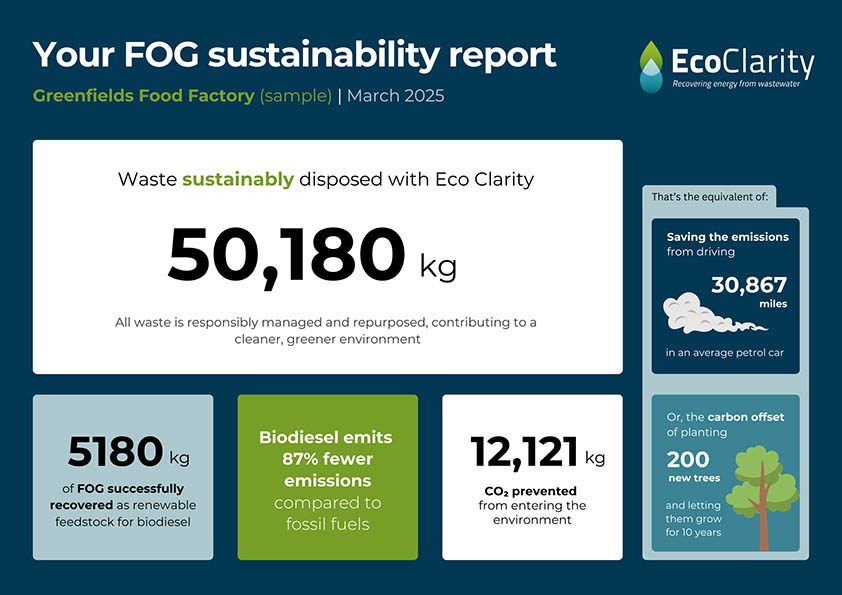
Your FOG sustainability report: measurable waste recovery and carbon savings

Looking ahead

FOG waste will always be a by-product of food manufacturing, but it does not have to be a burden. Managed effectively, it can become part of a broader sustainability strategy, delivering carbon savings, supporting compliance, and contributing to the circular economy.

Eco Clarity’s FOG Recovery Hubs show how innovation can turn an overlooked waste stream into measurable value. By working with partners like Argent Energy, we are proving that food manufacturers can play an active role in decarbonisation while continuing to focus on their core operations.

As regulations tighten and the pressure to deliver Scope 3 emissions reductions increases, those who act early will be best placed to show leadership. FOG recovery is not just about waste management, it is about unlocking a new resource that helps the industry move closer to net zero.

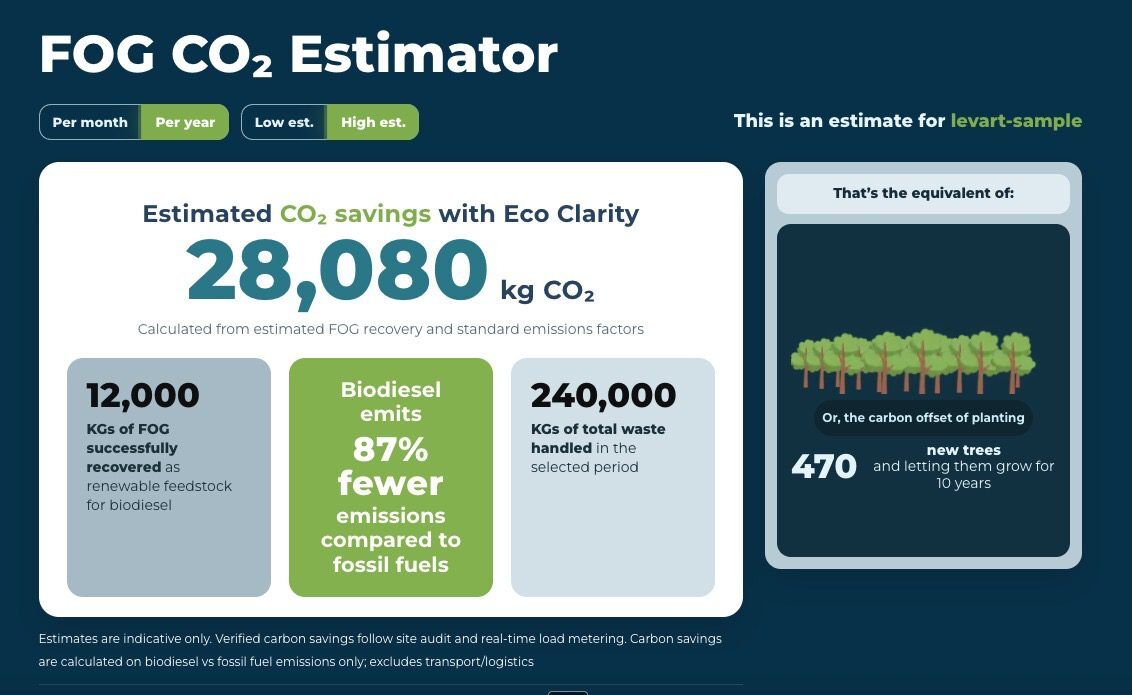
Find out how Eco Clarity can help your food manufacturing operations turn FOG waste into measurable sustainability outcomes. Or try our Carbon Savings Estimator to see how much CO₂ your business could save.

Want to calculate your CO₂ savings with Eco Clarity?

Fill in the form to get your instant carbon savings report, customised to your business.

Estimates are indicative only. Verified carbon savings follow site audit and real-time load metering.

How North West companies unite to save sewers

EcoClarity Kitchen Waste Disposal

Eco Clarity’s fat-to-fuel technology is helping to keep the region clean by stopping fatbergs forming in our sewers and creating an environmentally friendly biodiesel instead.

According to The Flood Hub, every year in the north-west, there are 28,000 avoidable sewer blockages – largely due to the incorrect flushing of unsuitable objects like wet wipes and the incorrect disposal of fat, oil and grease (known as FOG) down kitchen sinks.

The build-up of these items results in a rock-hard blockage, that continues to grow, sometimes known as a fatberg.

Andy Peet, Wastewater Network Protection Manager for United Utilities said: “FOG buildup in the drains is an ongoing issue for the business. Along with rag and wipes, these blocked drains cost United Utilities over £3.5m a year to sort out.

United Utilities have also installed orange bins across its headquarters site in Warrington for staff to bring in and recycle FOG from their homes, doing their bit to help the environment and keep it out of the drains. Around 360 litres of FOG have been collected so far for recycling into biodiesel.

“One of our large tankers (also known as Water on Wheels) does, on average, eight miles per gallon or 1.76 miles per litre – so we’d be able to travel around 630 miles – enough to just about get us to from our Lingley Mere site to Balmoral Castle and back.

“Staff at United Utilities are doing their bit for a greener future, and we hope that over time we’ll be able to build on the success of this project and continue working with Eco Clarity to repurpose FOG into biofuel.”

Eco Clarity’s North West FOG Recovery Hub

Eco Clarity, an award-winning green technology company, has recently opened a new recovery hub in Stockport, processing FOG from across north-west England.

“This innovative partnership demonstrates how collaboration between businesses and utilities can effectively address environmental challenges across the region. We are the only facility in the north-west focused on converting FOG waste into renewable biodiesel,” explained Laura Su, Eco Clarity’s business development manager.

“Eco Clarity’s technology takes a waste product and transforms it into something useful, reducing the risk of fatbergs and sewage pollution.”

Eco Clarity works with restaurants and food businesses across the region to dispose of their fat, oil and grease waste responsibly. The company’s chemical-free system separates out clean water, so it can be reused or safely returned to nature, and the leftover FOG waste is sent to its partner to be turned into clean energy instead of blocking sewers or being dumped in landfills.


EcoClarity Kitchen Waste Disposal

Argent Energy – Where FOG feedstock is transformed into sustainable biodiesal

Argent Energy, based in Ellesmere Port, converts the recovered FOG into valuable waste-based biodiesel, a renewable alternative to fossil fuel diesel that helps reduce CO₂ emissions

“Working alongside Eco Clarity allows us to play a crucial role in closing the loop on FOG waste in the north west by turning problematic waste into a valuable renewable fuel,” said Jan Jaap Rodenburg, Head of Commercial at Argent Energy. “This partnership highlights the power of collaboration, and we’re excited to be part of a solution that benefits the environment, communities, and the regional economy.”

The north of England is increasingly recognised as a powerhouse in innovation, sustainability and economic growth, and this regional collaboration showcases the power of local innovation.

Tackling FOG waste on the Isle of Wight

EcoClarity Kitchen Waste Disposal

Southern Water’s FOG tanker workshop

Eco Clarity recently attended Southern Water’s FOG tanker workshop, an event designed to create a safe space for stakeholders to openly discuss current practices and challenges surrounding the disposal of fat, oil and grease (FOG) and grease trap waste (GTW) on the Isle of Wight.

Hosted by Stephen Williams from Southern Water, the workshop featured a live FOG demonstration, insightful presentations by the EA, and an introduction to Eco Clarity by business development manager, Laura Su.

Key insights from the workshop

As a popular tourist and holiday destination, the Isle of Wight faces unique challenges with FOG and GTW waste. Increased demand during peak seasons, combined with the island’s remote location, has created significant waste management issues. Waste carriers lack adequate facilities to process and sustainably dispose of this waste.

This workshop marked an important first step in acknowledging these challenges and fostering an open, collaborative approach to finding effective solutions.

Eco Clarity joined the workshop to present our innovative FOG recovery hubs and offer practical solutions tailored to the Isle of Wight. Our technology transforms FOG and GTW waste into valuable biodiesel feedstock, enabling businesses to achieve their sustainability goals, minimise environmental impact and support Southern Water in reducing sewer blockages.

Demonstration of FOG waste seperation

This event marked the start of a critical conversation. Addressing these challenges requires early collaboration and engagement with stakeholders committed to driving meaningful change. The workshop provided a productive foundation for exploring practical solutions that work for both the environment and local businesses.

Let’s work together

If you’re interested in collaborating or hosting a similar workshop, get in touch. Eco Clarity is dedicated to supporting local communities and businesses with sustainable solutions for FOG and GTW waste management.

Great Northern Conference 2024

EcoClarity Kitchen Waste Disposal

Chancellor Rachel Reeves at the Great Northern Conference 2024 

The Great Northern Conference 2024, held on December 3rd in Hull, convened political leaders, businesses and academics to discuss the North’s economic development and environmental sustainability. Chancellor Rachel Reeves announced new powers for regional mayors to stimulate economic growth and attract investment, emphasising the importance of local leadership in fostering innovation and addressing regional disparities.

EcoClarity Kitchen Waste Disposal

A significant focus of the conference was the North’s role in achieving the UK’s net-zero targets. Panels explored how the region can contribute to making Britain a “clean energy superpower,” highlighting the Humber Freeport’s efforts in attracting over £1 billion in investments across sectors like advanced manufacturing and green technologies.

EcoClarity Kitchen Waste Disposal

At Eco Clarity, we are committed to supporting these initiatives by providing comprehensive environmental services in the field of FOG waste recovery. Our expertise in sustainable development, renewable energy integration and environmental impact assessments can assist local authorities and businesses in implementing effective strategies to meet net-zero goals. By collaborating with stakeholders, we aim to drive innovation and promote sustainable economic growth across the North from our current locations in Hull and Stockport.

EcoClarity Kitchen Waste Disposal

The conference highlighted the necessity of collaboration among government, industry and communities to build a greener, fairer future. Eco Clarity is dedicated to playing a part in this transformation, offering tailored solutions for recoverable fat, oils and grease waste that align with the North’s environmental and economic objectives. 

Conference summary by the Yorkshire Post: https://www.yorkshirepost.co.uk/news/great-northern-conference-rachel-reeves-reveals-plan-for-mayors-to-win-investment-for-university-spinout-companies-4901064

Call Now Button