Unlocking a new waste stream: The M62 FOG recovery pilot
Eco Clarity Recovering Energy from Wastewater

An innovative approach to transforming kitchen waste

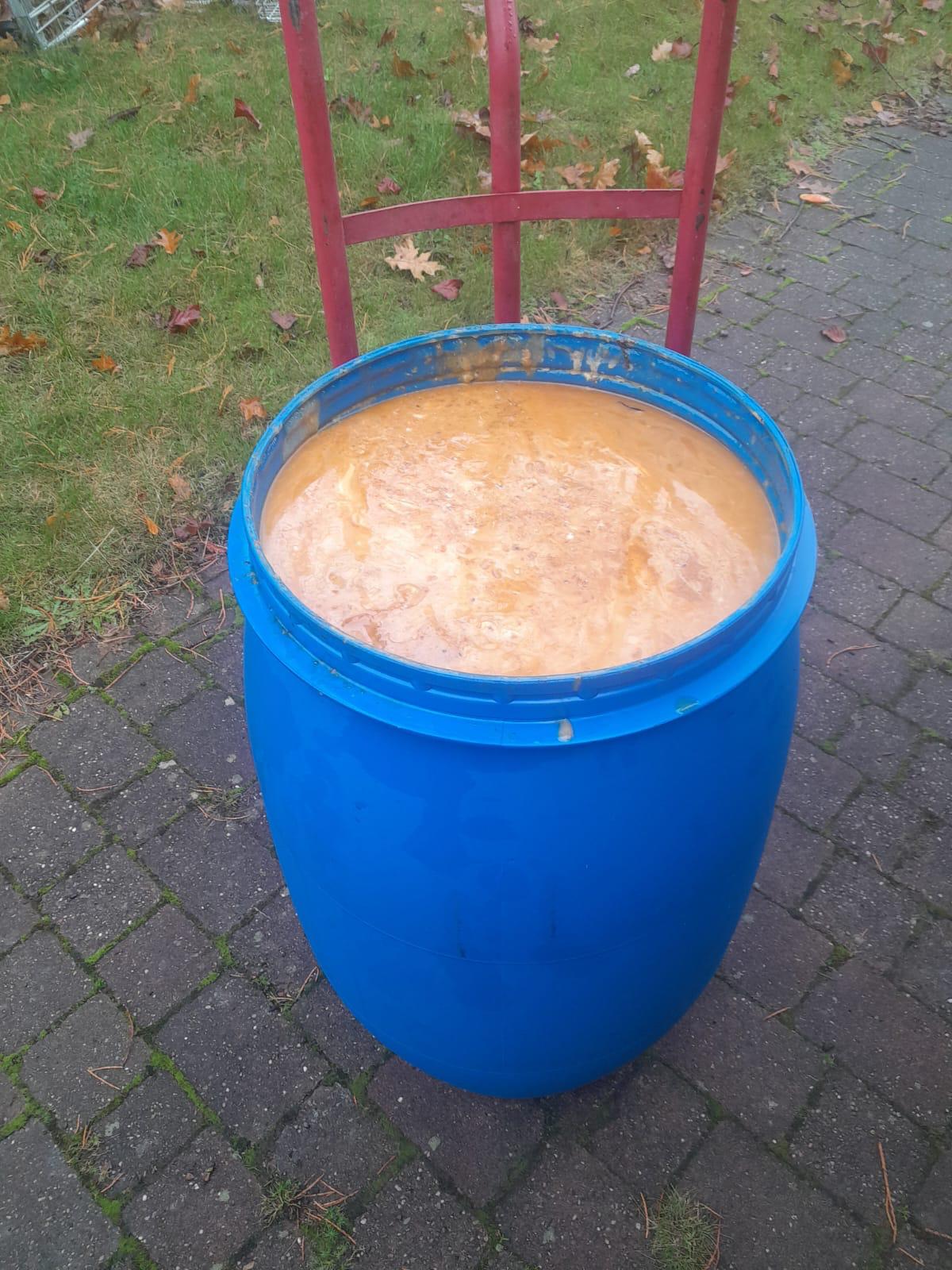
The M62 FOG Recovery Pilot has demonstrated that fat, oil and grease (FOG) waste from restaurant kitchens can be treated not as a disposal problem, but as a valuable new waste stream. Traditionally, GRU (grease recovery unit) waste was either sent to landfill or mixed with other liquid waste streams, limiting its potential for reuse.

With the introduction of the Environment Act 2021, landfill disposal of food waste is no longer permitted, creating an urgent need for a sustainable pathway.

Through this project, GRU waste has been independently collected and processed at Eco Clarity’s North West FOG Recovery Hub in Stockport, where its patented technology upgraded the waste into a renewable feedstock with 99.6% value.

This project is the first of its kind in the UK, where GRU waste has been recognised as a dedicated recoverable stream, creating a new pathway for renewable fuels while supporting the UK’s sustainability and net zero goals.

Project overiew

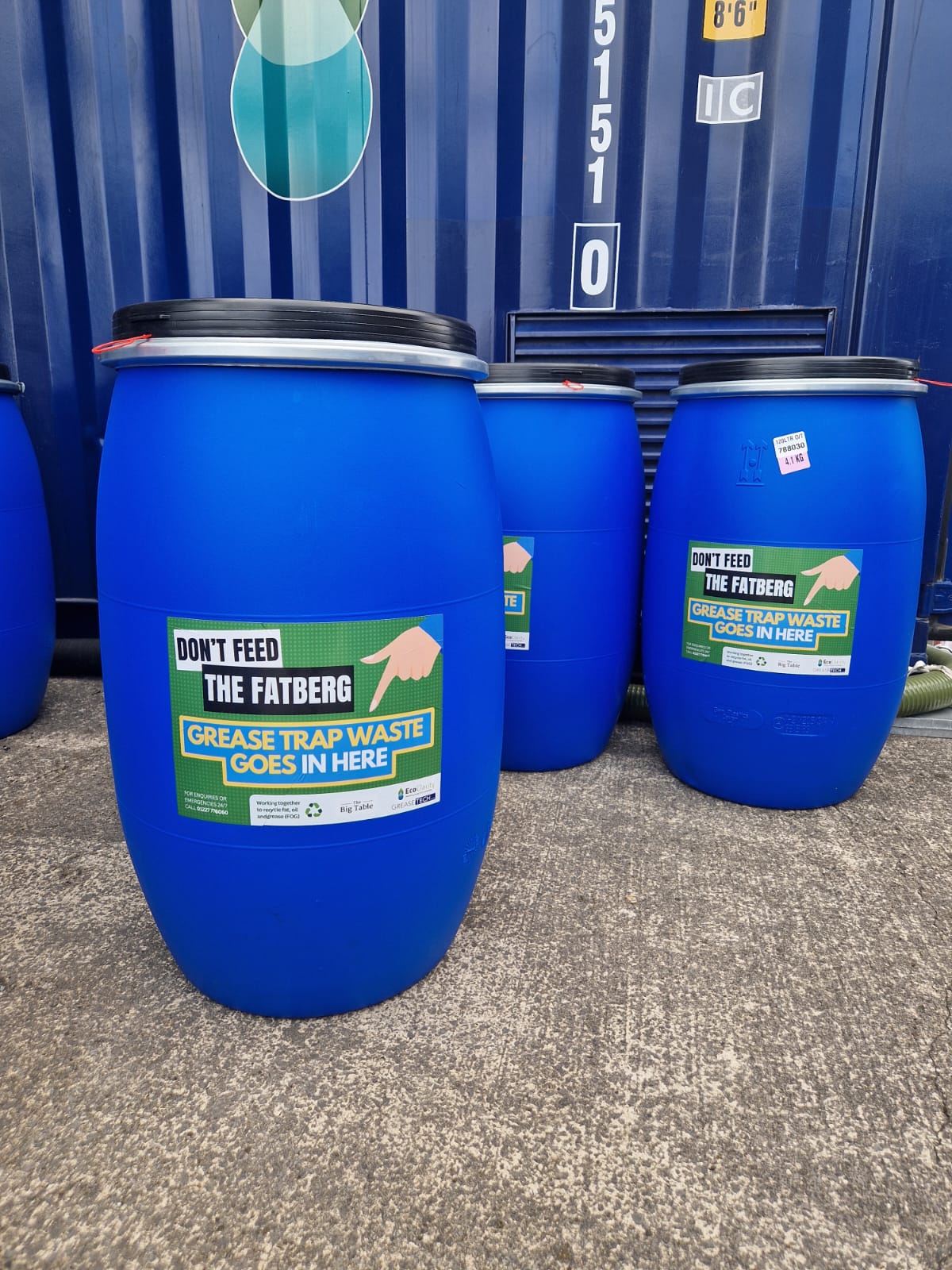
The Big Table Group (BTG), one of the UK’s leading independent restaurant operators, partnered with GreaseTech Drainage Solutions and Eco Clarity to deliver this pilot.

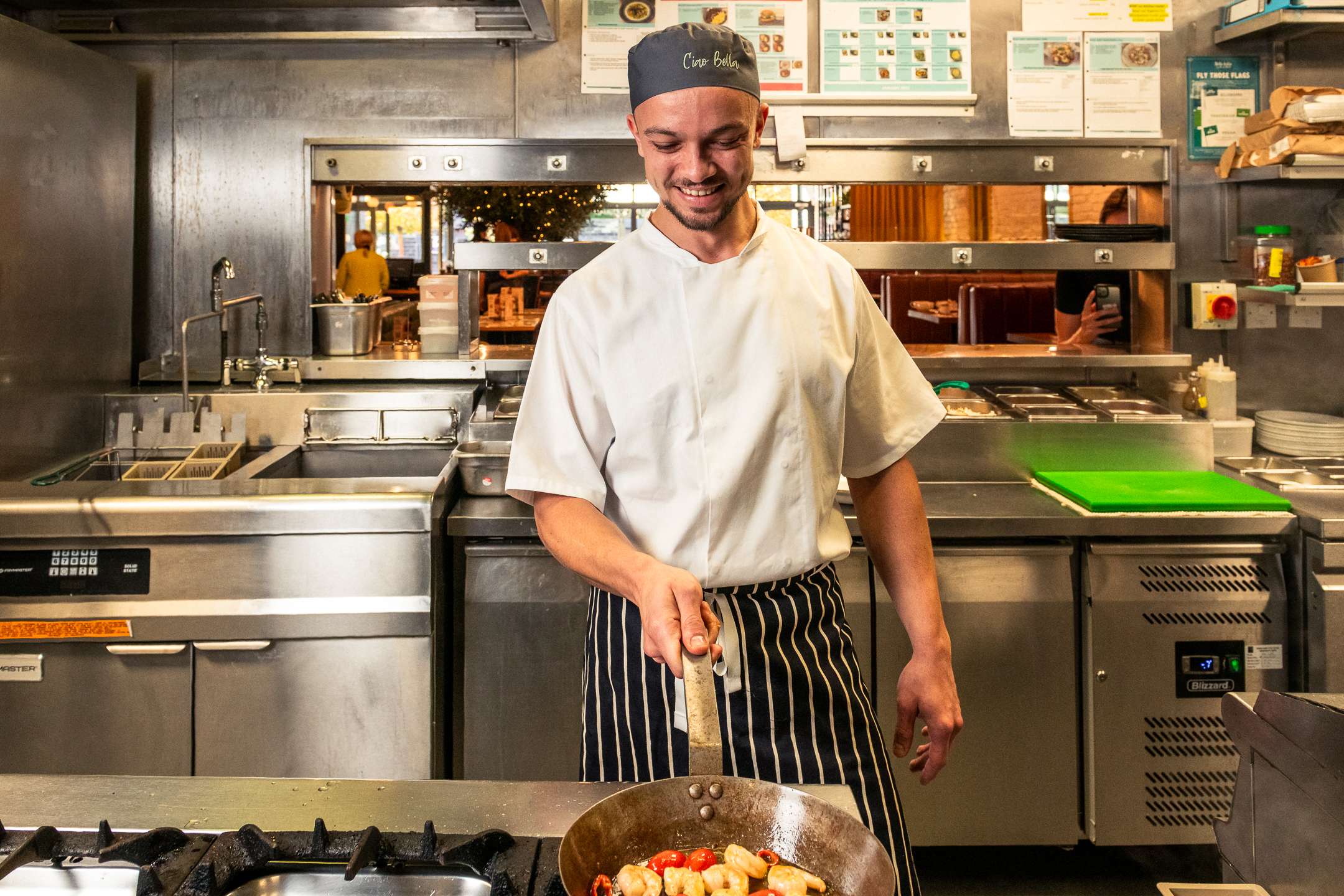
Twenty-five BTG restaurants along the M62 corridor participated, representing brands such as Bella Italia, Las Iguanas, Banana Tree, Frankie & Benny’s, Chiquito, Café Rouge and Amalfi.


Key challenges

Finding a sustainable end-use for GRU waste

Consistent waste handling and staff awareness

Preparing for food waste landfill bans

Key outcomes

GRU waste converted into low-carbon renewable fuel

2,173kg CO₂e emissions prevented from 25 sites over a 6 month period

Carbon savings were accredited directly to BTG supporting their ESG goals

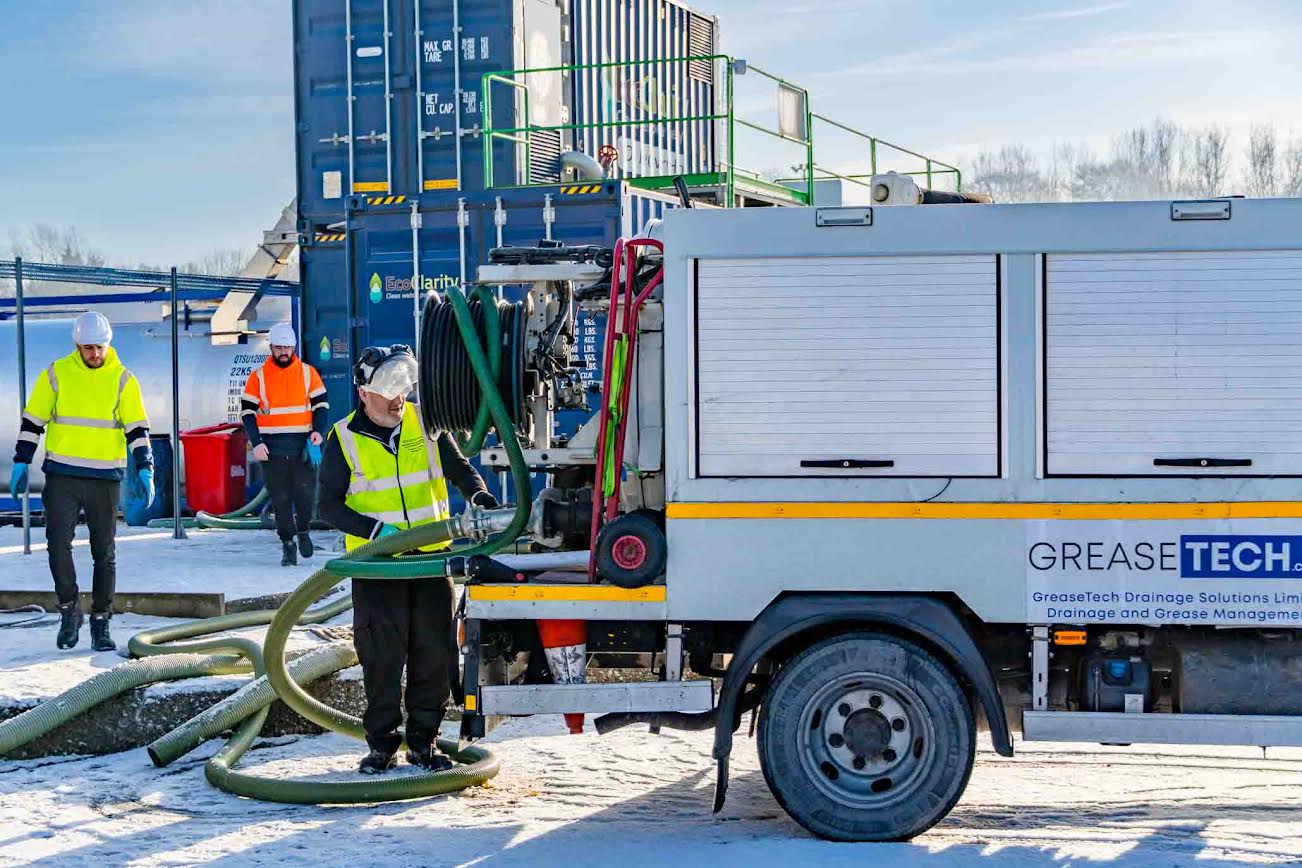
GreaseTech managed servicing and maintenance of all GRUs and traps, consolidating collections across the portfolio. Eco Clarity processed the recovered waste at its Stockport Hub, refining it into a high-value waste feedstock.

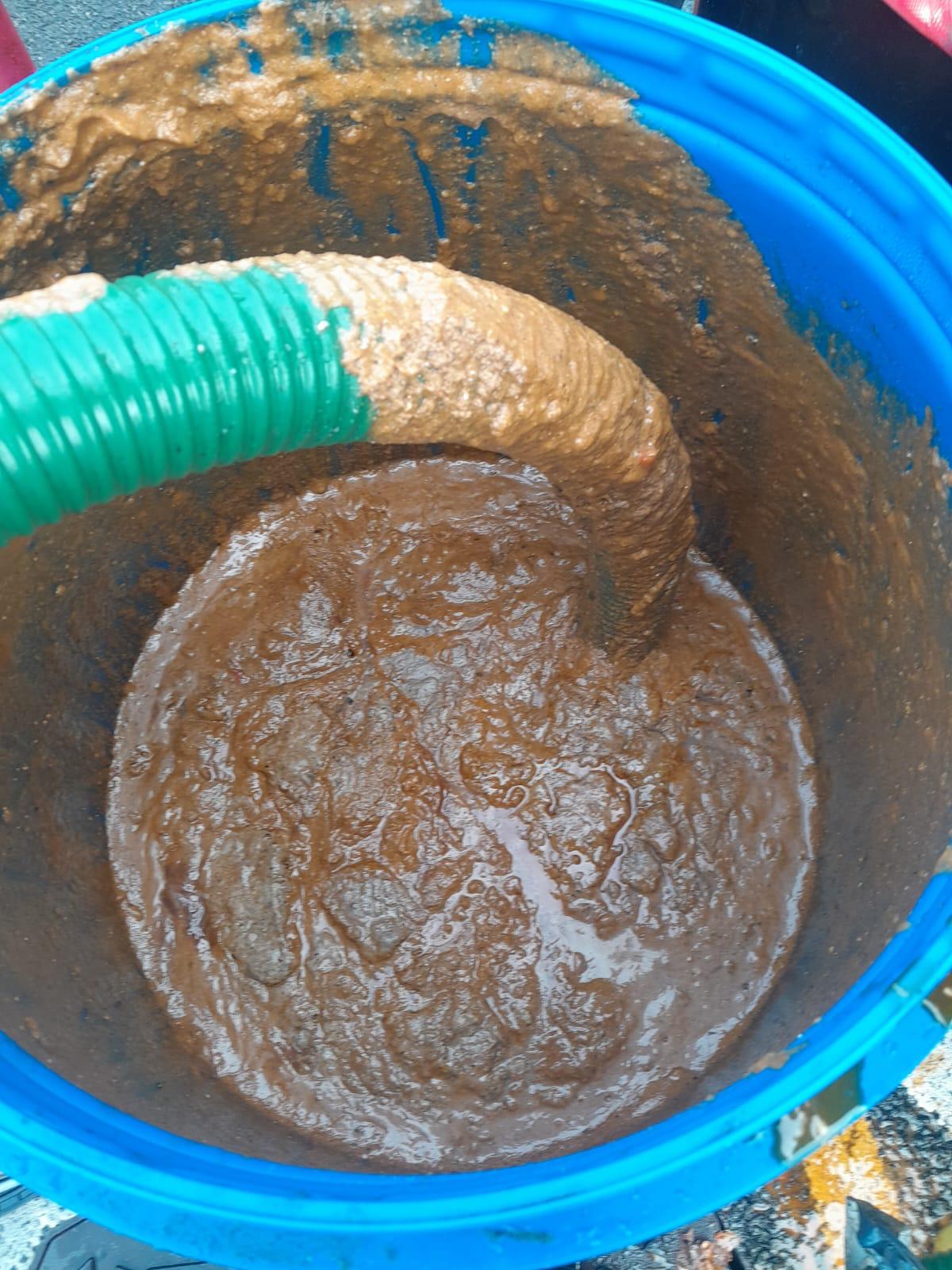
GRU waste included both the wastewater retained within the unit and the skimmed FOG that staff empty daily. Over six months, these streams were collected as a single recovery pathway, demonstrating the full value of GRU waste when treated as a distinct, recoverable material for reuse.
Eco Clarity Recovering Energy from Wastewater

GRU waste was collected from BTG sites and processed at Eco Clarity’s north west hub in Stockport, using innovative technology to transform waste into resource

Key results

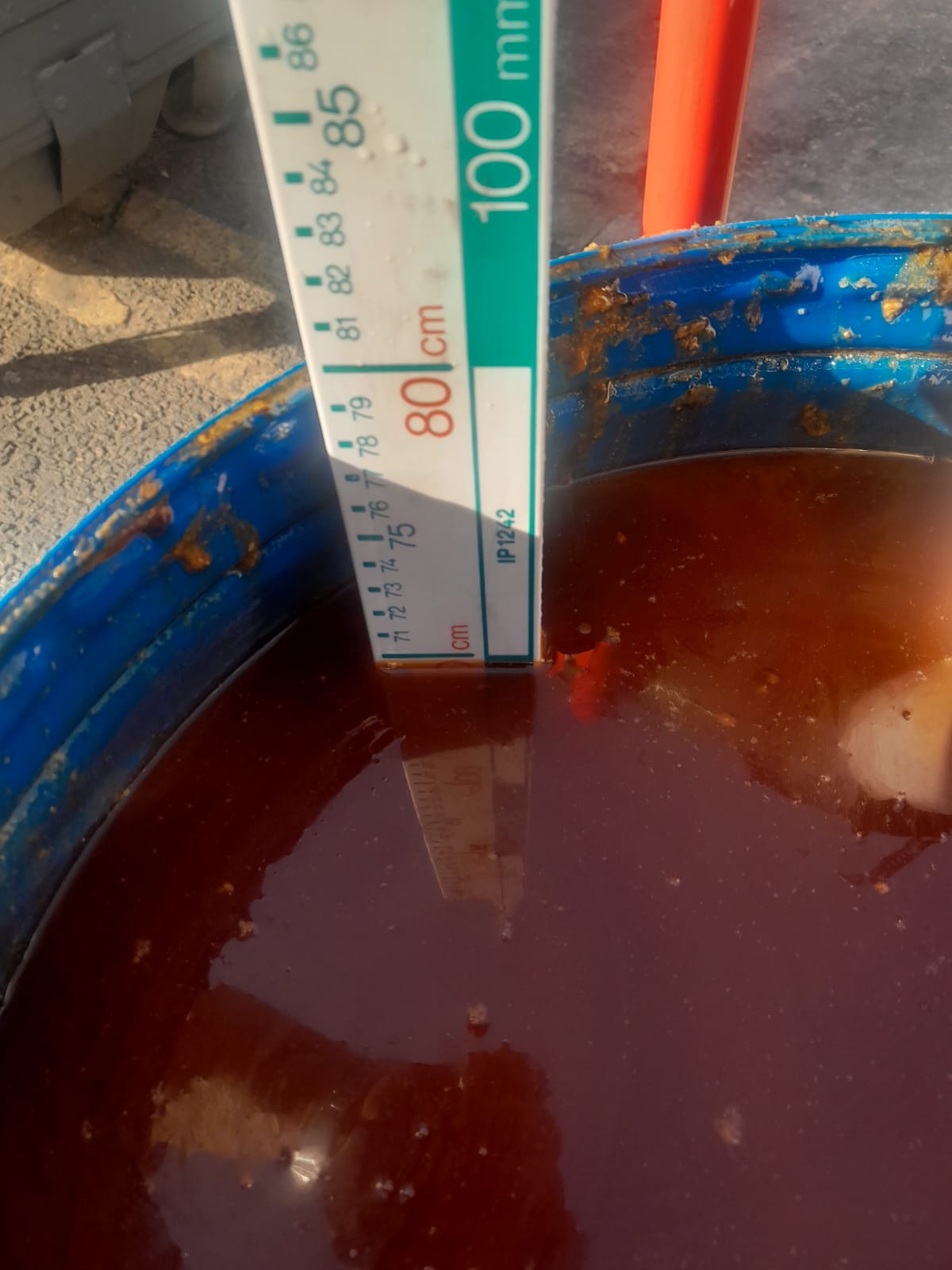
3,966kg of GRU waste was recovered and separated into three re-usable streams: FOG, wastewater and solids

From this, 929kg of FOG was successfully upgraded into a 99.6% pure renewable feedstock

This prevented 2,173kg of CO₂e emission

The recovered FOG is now ready for biodiesel production, a renewable fuel that delivers up to 87% fewer carbon emissions compared with fossil diesel

This represents a major shift. What was once mixed, landfilled, or wasted has now been recovered, refined and transformed into a resource for renewable energy.

Practical learnings

The M62 Pilot demonstrated that GRU waste can be successfully recovered and upgraded into a valuable renewable feedstock. It also provided valuable insights into the factors that influence recovery performance across multiple sites.

Staff training and kitchen processes

  • Where training and awareness was strong, GRU waste was managed more effectively. Embedding GRU handling as a mandatory part of daily routines, and reinforcing this through ongoing staff engagement, would help further standardise performance across more sites.

Consistency and waste quality

  • The pilot highlighted some variation in the quality and composition of GRU waste. This was expected in a first-of-its-kind trial and offered important learnings about how site practices influence recovery outcomes. Early sampling suggests that with clearer processes, regular reinforcement, and improved on-site handling, even more FOG could be recovered.

Scalability and coordination

  • Coordinating servicing and collections across 25 restaurants showed that multi-site recovery is achievable. With further refinements in process and logistics, the model can be expanded to a larger portfolio. Scalability will also be accelerated as more FOG Recovery Hubs are established across the UK.
Conclusion

The M62 FOG Recovery Pilot has demonstrated a step-change in sustainable waste management for the hospitality sector. What was once routinely landfilled or discarded as mixed waste has now been independently collected, refined and upgraded into renewable fuel feedstock, creating a cleaner, circular future for FOG recovery in the UK.

“This project shows what’s possible when we work together, turning an overlooked challenge into a real opportunity for environmental action and setting the blueprint for GRU recovery nationwide.”

Chris Clemes, Eco Clarity

When processed into biodiesel, this feedstock delivers up to 87% lower carbon emissions than fossil diesel, creating a new renewable pathway for UK road transport while supporting the UK’s circular economy and net zero ambitions.

“To put it simply, we’ve gone from seeing GRU waste as a disposal problem to seeing it as part of the sustainability solution.”
Karl Tindall, The Big Table Group

By working together, Eco Clarity, GreaseTech, and The Big Table Group have proven that GRU waste is not just a waste, but has the potential to be converted into a valuable resource.

“The purpose of the project was to demonstrate the previously unrecognised carbon credentials of a Grease Recovery Unit and the FOG waste it collects, and we have certainly achieved this!”

Stephen Edwards, GreaseTech

Ready to recover more from your waste?

We’re helping businesses across the UK turn FOG and GRU waste into renewable value. 
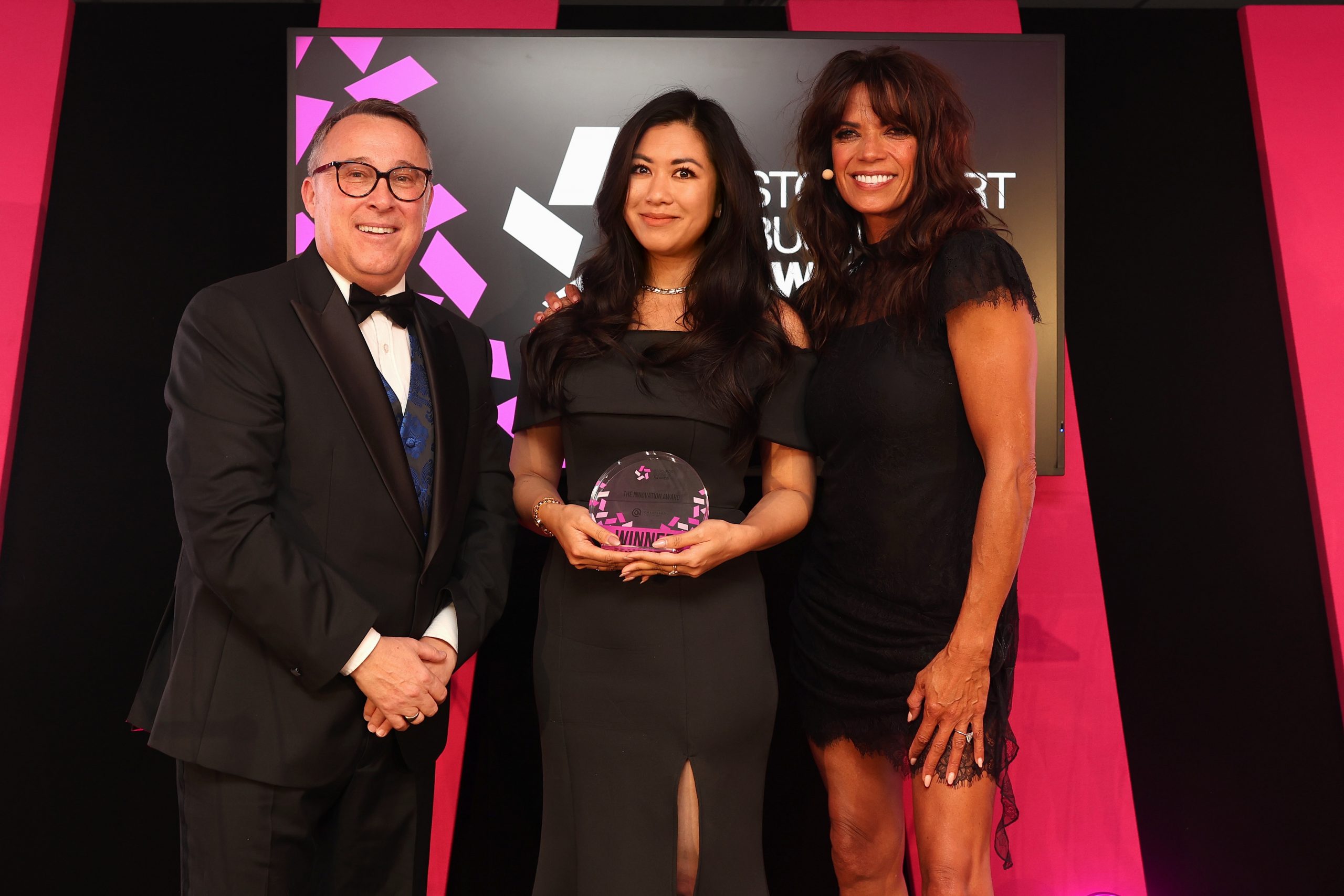
Eco Clarity named Most Promising Young Business and Innovation winner

FOG Recovery - Food Manufacturers - Salmon

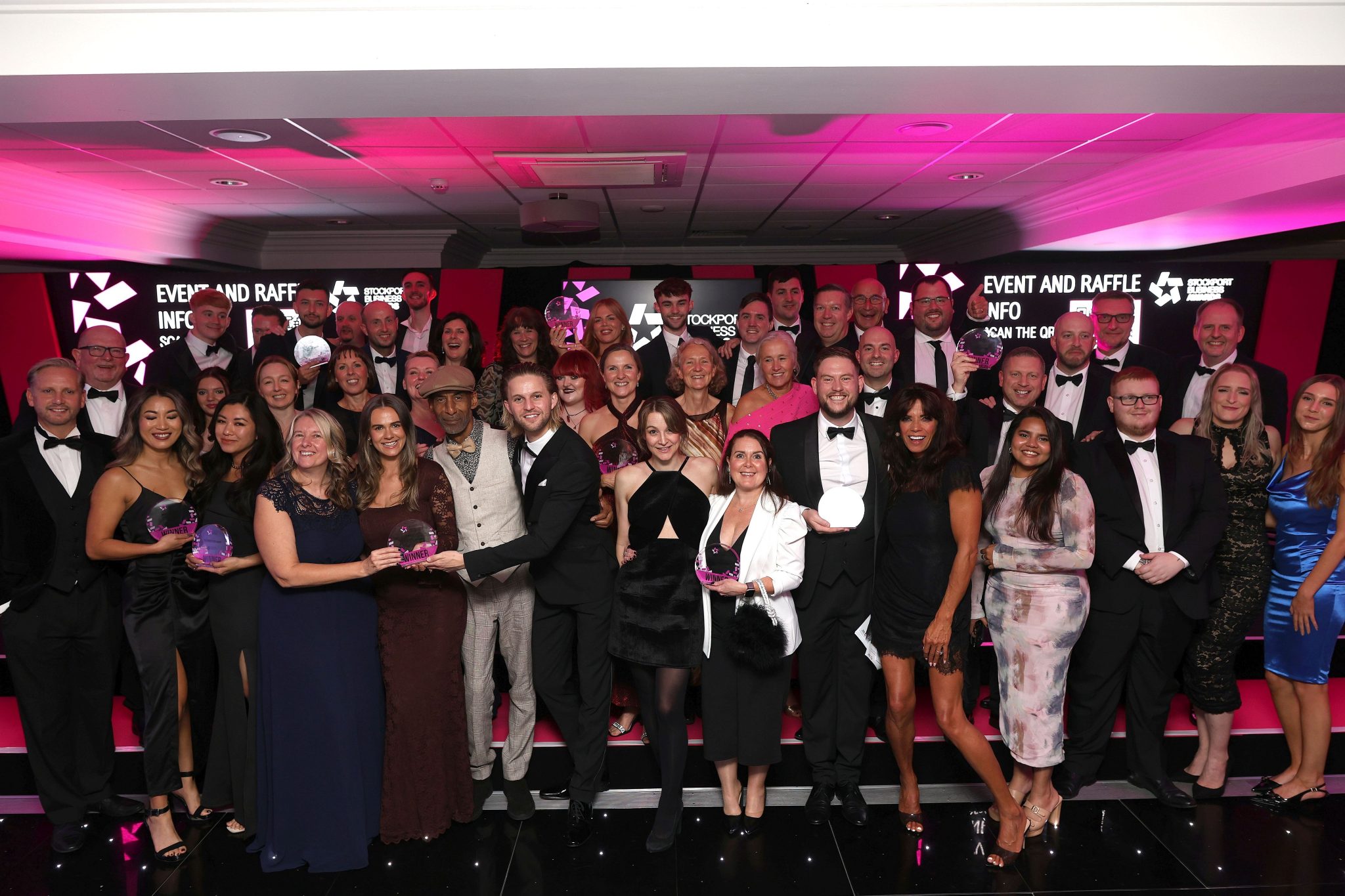
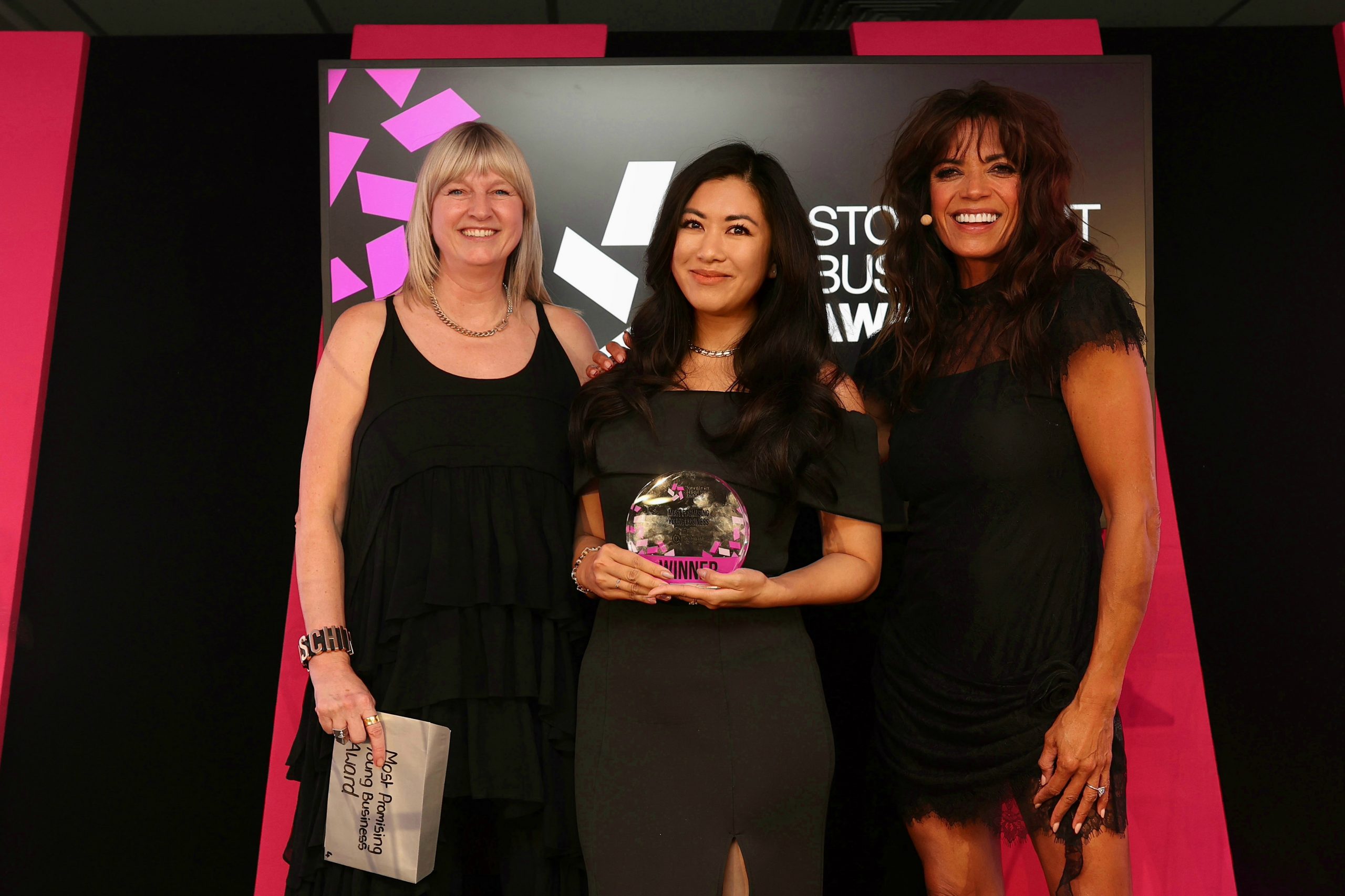
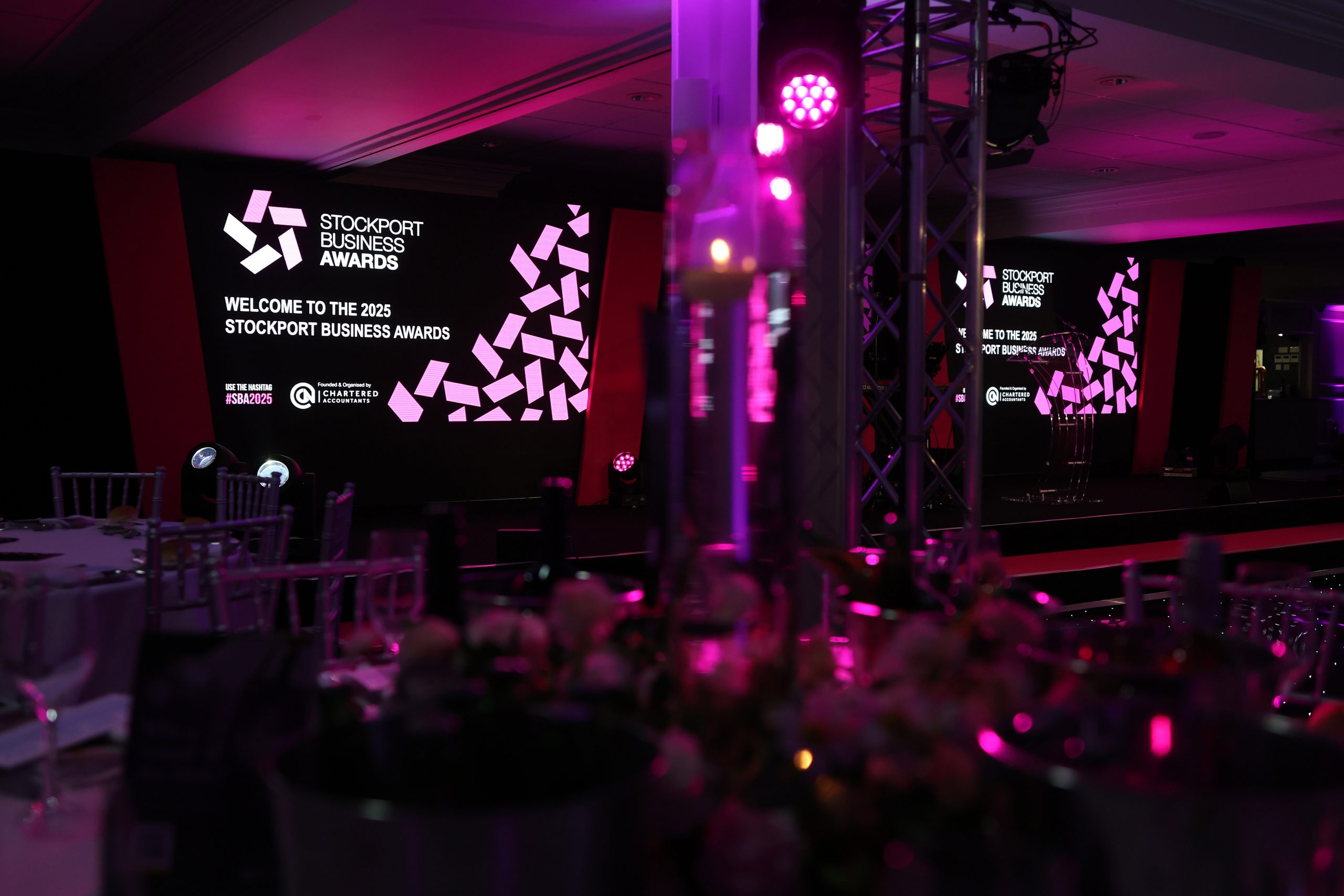
We are incredibly proud to share that Eco Clarity has been recognised with two awards at this year’s Stockport Business Awards. We took home Most Promising Young Business, sponsored by Stockport Council with Stockport Economic Alliance and The Innovation Award, sponsored by CN Financial Planners.

Both awards mark a huge milestone in our first year of operations in Stockport, recognising the progress we have made in creating a circular and sustainable solution for managing fats, oils, and grease (FOG) waste.

At Eco Clarity, our mission is to stop FOG pollution before it reaches sewers by recovering and recycling it into renewable energy. We work with all stakeholders from food producers, to waste hauliers, water companies and local authorities, to close the loop and turn waste into a resource that supports cleaner networks, carbon reduction and biofuel production.

Laura Su, who collected the awards on behalf of Eco Clarity, said:

“We are so incredibly proud to be recognised for not one, but two awards in our first year of operations in Stockport. These awards are a reflection of the hard work, belief and innovation across our whole team and partners. We are ready to make big environmental change right here from Stockport across Greater Manchester and the wider North West region.”

Our sincere thanks go to Stockport Council, Stockport Economic Alliance and CN Financial Planners for sponsoring these awards, and to the Stockport Business Awards team for hosting such an inspiring evening celebrating local business excellence.

We’re proud to base our team and innovation in Stockport, driving the future of sustainable FOG management across the region.

See how we support local businesses at our Food Manufacturers page

FOG Recovery - Food Manufacturers - Salmon

How North West companies unite to save sewers

EcoClarity Kitchen Waste Disposal

Eco Clarity’s fat-to-fuel technology is helping to keep the region clean by stopping fatbergs forming in our sewers and creating an environmentally friendly biodiesel instead.

According to The Flood Hub, every year in the north-west, there are 28,000 avoidable sewer blockages – largely due to the incorrect flushing of unsuitable objects like wet wipes and the incorrect disposal of fat, oil and grease (known as FOG) down kitchen sinks.

The build-up of these items results in a rock-hard blockage, that continues to grow, sometimes known as a fatberg.

Andy Peet, Wastewater Network Protection Manager for United Utilities said: “FOG buildup in the drains is an ongoing issue for the business. Along with rag and wipes, these blocked drains cost United Utilities over £3.5m a year to sort out.

United Utilities have also installed orange bins across its headquarters site in Warrington for staff to bring in and recycle FOG from their homes, doing their bit to help the environment and keep it out of the drains. Around 360 litres of FOG have been collected so far for recycling into biodiesel.

“One of our large tankers (also known as Water on Wheels) does, on average, eight miles per gallon or 1.76 miles per litre – so we’d be able to travel around 630 miles – enough to just about get us to from our Lingley Mere site to Balmoral Castle and back.

“Staff at United Utilities are doing their bit for a greener future, and we hope that over time we’ll be able to build on the success of this project and continue working with Eco Clarity to repurpose FOG into biofuel.”

Eco Clarity’s North West FOG Recovery Hub

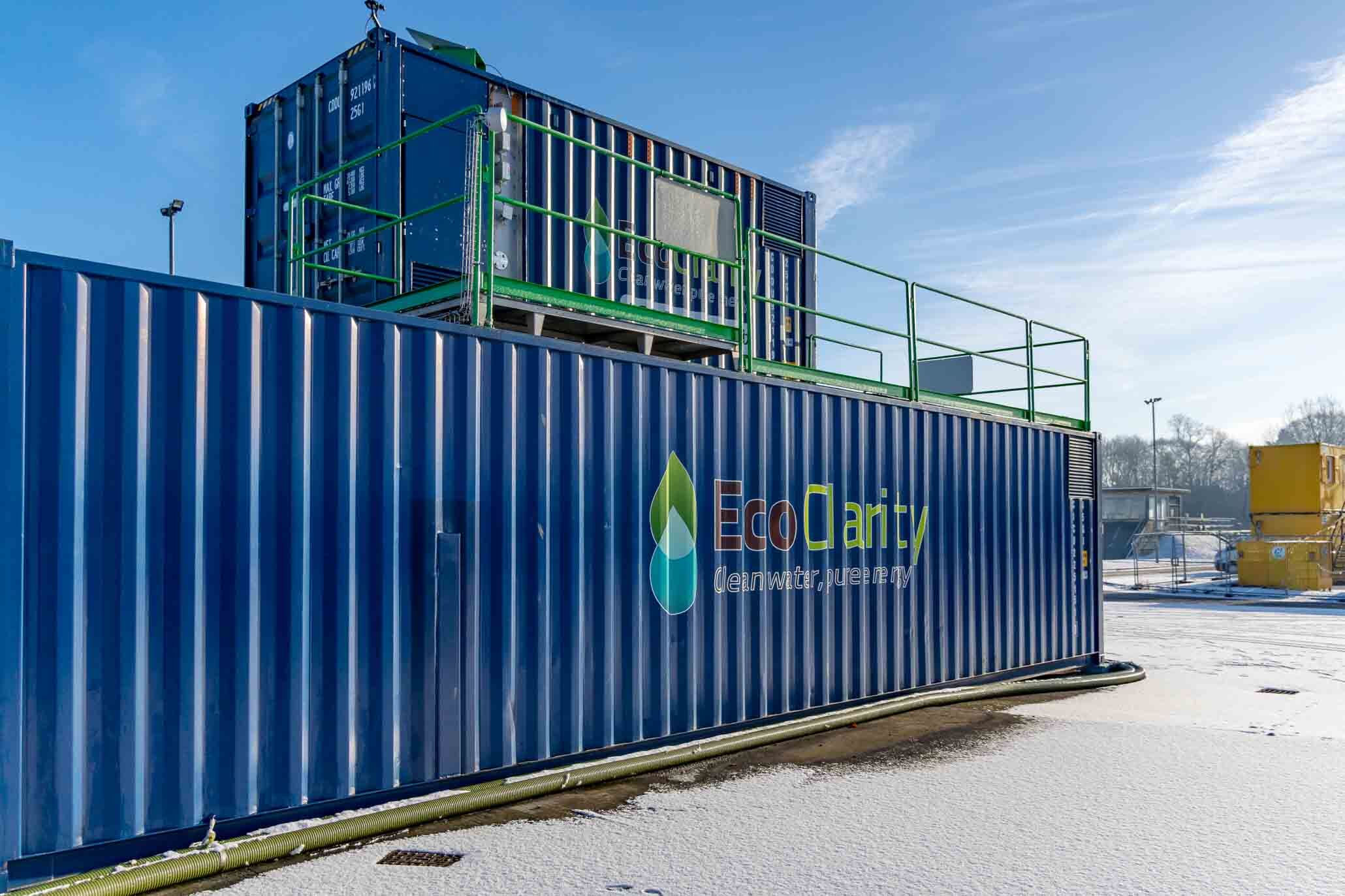
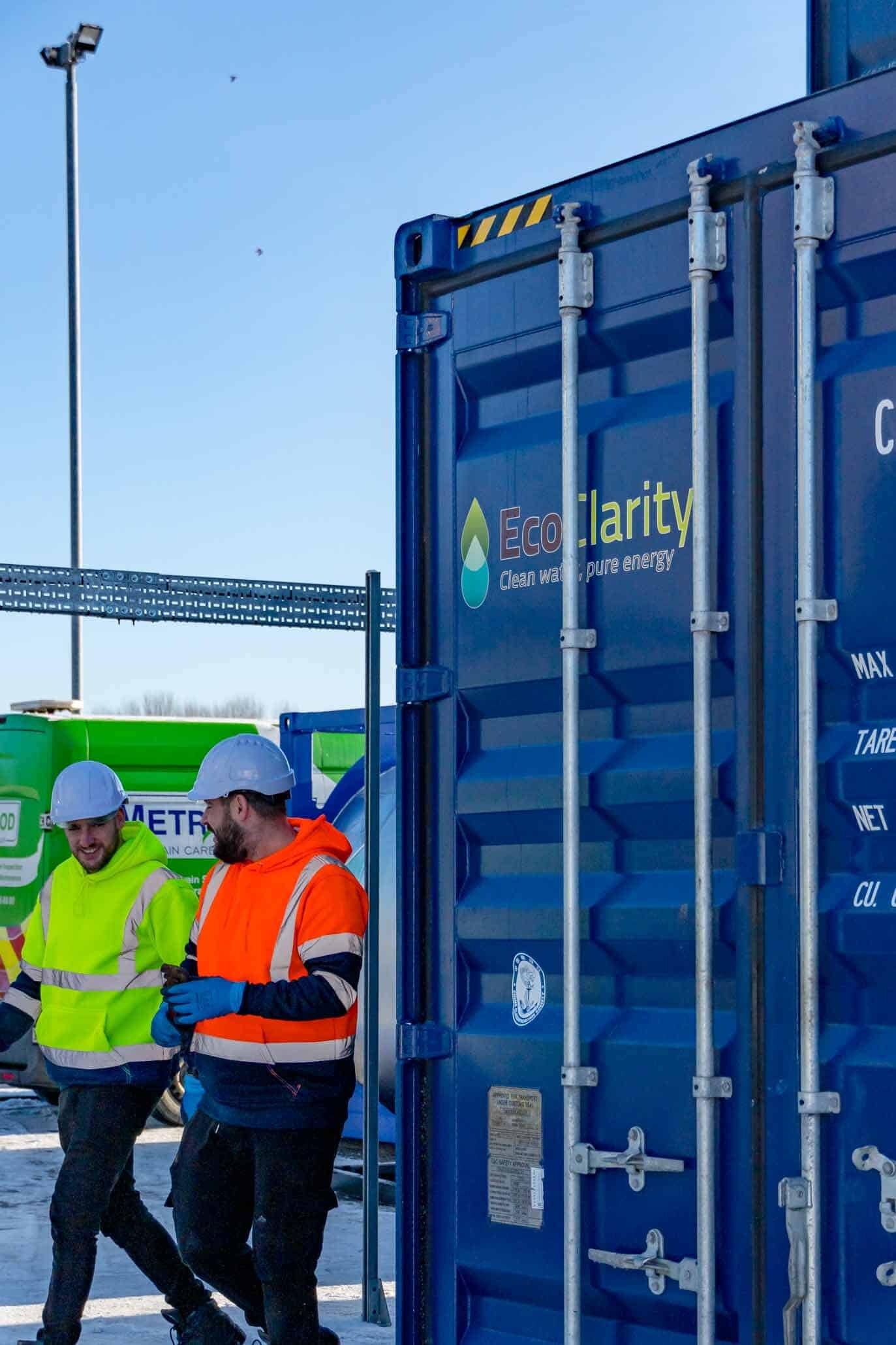
Eco Clarity, an award-winning green technology company, has recently opened a new recovery hub in Stockport, processing FOG from across north-west England.

“This innovative partnership demonstrates how collaboration between businesses and utilities can effectively address environmental challenges across the region. We are the only facility in the north-west focused on converting FOG waste into renewable biodiesel,” explained Laura Su, Eco Clarity’s business development manager.

“Eco Clarity’s technology takes a waste product and transforms it into something useful, reducing the risk of fatbergs and sewage pollution.”

Eco Clarity works with restaurants and food businesses across the region to dispose of their fat, oil and grease waste responsibly. The company’s chemical-free system separates out clean water, so it can be reused or safely returned to nature, and the leftover FOG waste is sent to its partner to be turned into clean energy instead of blocking sewers or being dumped in landfills.


EcoClarity Kitchen Waste Disposal

Argent Energy – Where FOG feedstock is transformed into sustainable biodiesal

Argent Energy, based in Ellesmere Port, converts the recovered FOG into valuable waste-based biodiesel, a renewable alternative to fossil fuel diesel that helps reduce CO₂ emissions

“Working alongside Eco Clarity allows us to play a crucial role in closing the loop on FOG waste in the north west by turning problematic waste into a valuable renewable fuel,” said Jan Jaap Rodenburg, Head of Commercial at Argent Energy. “This partnership highlights the power of collaboration, and we’re excited to be part of a solution that benefits the environment, communities, and the regional economy.”

The north of England is increasingly recognised as a powerhouse in innovation, sustainability and economic growth, and this regional collaboration showcases the power of local innovation.

Great Northern Conference 2024

EcoClarity Kitchen Waste Disposal

Chancellor Rachel Reeves at the Great Northern Conference 2024 

The Great Northern Conference 2024, held on December 3rd in Hull, convened political leaders, businesses and academics to discuss the North’s economic development and environmental sustainability. Chancellor Rachel Reeves announced new powers for regional mayors to stimulate economic growth and attract investment, emphasising the importance of local leadership in fostering innovation and addressing regional disparities.

EcoClarity Kitchen Waste Disposal

A significant focus of the conference was the North’s role in achieving the UK’s net-zero targets. Panels explored how the region can contribute to making Britain a “clean energy superpower,” highlighting the Humber Freeport’s efforts in attracting over £1 billion in investments across sectors like advanced manufacturing and green technologies.

EcoClarity Kitchen Waste Disposal

At Eco Clarity, we are committed to supporting these initiatives by providing comprehensive environmental services in the field of FOG waste recovery. Our expertise in sustainable development, renewable energy integration and environmental impact assessments can assist local authorities and businesses in implementing effective strategies to meet net-zero goals. By collaborating with stakeholders, we aim to drive innovation and promote sustainable economic growth across the North from our current locations in Hull and Stockport.

EcoClarity Kitchen Waste Disposal

The conference highlighted the necessity of collaboration among government, industry and communities to build a greener, fairer future. Eco Clarity is dedicated to playing a part in this transformation, offering tailored solutions for recoverable fat, oils and grease waste that align with the North’s environmental and economic objectives. 

Conference summary by the Yorkshire Post: https://www.yorkshirepost.co.uk/news/great-northern-conference-rachel-reeves-reveals-plan-for-mayors-to-win-investment-for-university-spinout-companies-4901064

Shortlisted for prestigious edie Award 

Eco Clarity Circular Water Economy

We’re delighted to share that Eco Clarity has been shortlisted for an edie Award in the Water, Waste & Resource Efficiency category.

“The edie Awards celebrate the best in sustainability, and we’re honored to be among such esteemed companies,” said Laura Su, head of business development at Eco Clarity.

“This recognition highlights our commitment to sustainable solutions and innovative approaches to waste management.”

The awards, which take place in March 2025 in London, England, celebrate the positive impact businesses make on the environment and society. We’ll be keeping our fingers crossed for the night and look forward to sharing the results with you.


To find out more about the awards, please visit https://event.edie.net/awards/home25 

Hull treatment site turning fats into fuel

EcoClarity our partners wastewater treatment plants hauliers food service establishments

The ‘end goal’ is to fish fatbergs out of sewers and turn them into fuel for vans

Hull is at the centre of a pioneering trial to transform waste oils that can form sewer-clogging fatbergs into a sustainable fuel.

The project captures harmful fat, oil, and grease before it can enter the waste system. It then turns the substances into biodiesel, a more sustainable fuel type than traditional diesel.

EcoClarity business development manager Laura Su says she is proud that Hull is at the forefront of trialling this technology, which has been in development for a decade.

Laura said: “Hull has a rich industrial heritage, and now it’s becoming a hub for sustainable innovation. We’re proud to be part of a solution that takes something harmful, like fat, oil, and grease, and gives it new life as a high-quality fuel.”

An estimated 200,000 fatbergs occur annually across the UK, requiring costly removal and increased maintenance costs for water companies such as Yorkshire Water.

Installed at Yorkshire Water’s Hull wastewater treatment site in Salt End Chemical Park, EcoClarity’s system separates problematic fats from wastewater and recovers a valuable energy resource for biodiesel production, while returning safe water to the environment.

Commercial kitchens and food processing facilities are some of the biggest contributors to fats and oils in sewers. Disposal of these greasy, clog-forming substances has long posed a challenge to the water sector.

EcoClarity Kitchen Waste Disposal

An example of a ‘fatberg’, this one in a London sewer was photographed in 2021 (Image: Thames Water/PA Wire)

Laura, who grew up in Hull and studied at the university too, added: “We’ve got a unique place in the market, and this partnership with Yorkshire Water is allowing us to lead the way.

“There’s a huge food and beverage industry in Hull that we really want to tap into. Almost every factory is producing these substances and we can stop them reaching the sewer and then give them a new lease of life as more sustainable fuel ‘it’s a win win’.”

Alongside their partnership with Yorkshire Water, EcoClarity have also recently partnered with Big Table Group, who operate big-name restaurants such as Bella Italia, Las Iguanas and Frankie & Benny’s, to trial recycling of waste from grease recovery units in their commercial kitchens.

Laura added: “We’re working with local food and beverage industries in Hull to create a circular economy. These businesses are generating the waste, and now they can help turn it into something valuable.

“This kind of innovative, sustainable solution is typical of Hull as a city. This project is about more than cleaning up the sewers; it’s about creating opportunities for local businesses and jobs in Hull and beyond.”

Yorkshire Water’s waste services manager James Gudgeon welcomed the partnership with EcoClarity: “Water companies can spend a significant amount of money on staff and equipment costs to remove FOG from our sewers and send it to landfill” which also has an environmental impact.

“We are working with EcoClarity towards the potential nirvana of being able to harvest the FOG from our sewer network and turn it into biodiesel that fuels our vans. That’s the end goal.”

Further EcoClarity hubs are being planned by Yorkshire Water, with Knostrop wastewater treatment works in Leeds next on the list.

Source: Hull Daily Mail

Call Now Button