Eco Clarity and Southern Water celebrate win for innovative closed loop project
FOG Recovery - Food Manufacturers - Salmon

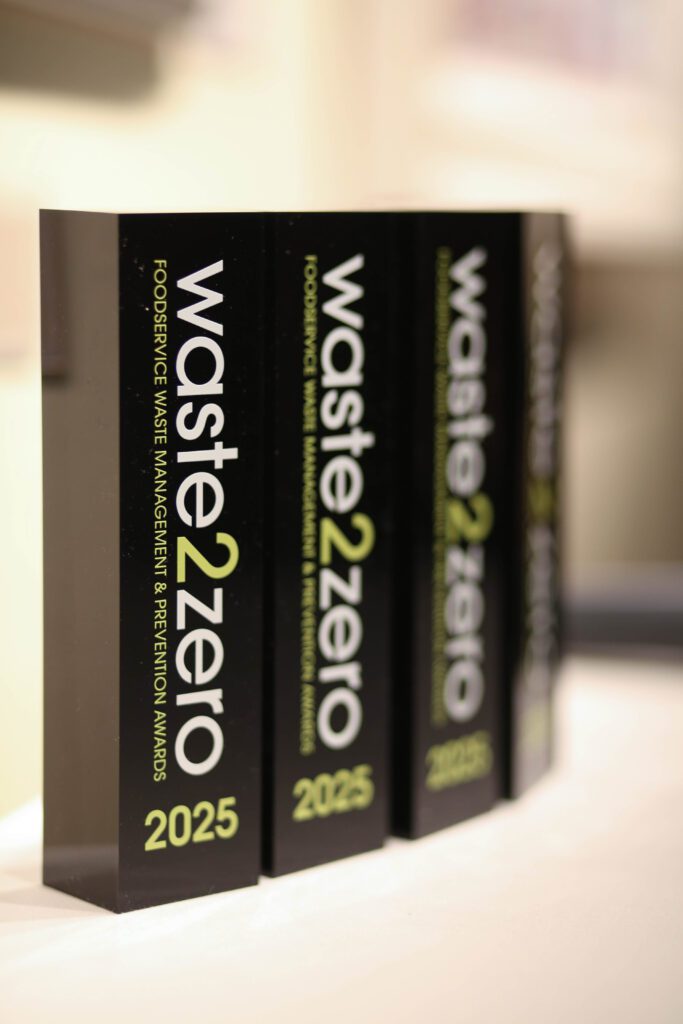
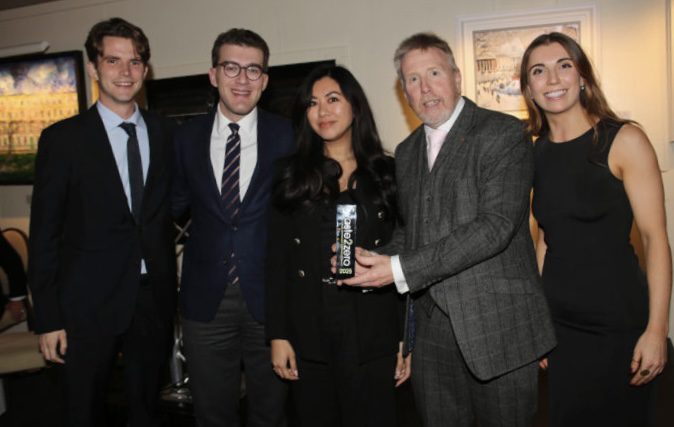
We are proud to share that Eco Clarity, in partnership with Southern Water, has won the Best Closed Loop Project Award at this year’s Waste2Zero Awards. Waste2Zero is the leading national platform that recognises excellence in waste prevention and resource management across the out of home sector.

This award celebrates organisations that are proving what is possible through genuine circularity. For us, it marks an important milestone. Fat, oil and grease (FOG) is no longer an avoidable waste problem. It is a valuable resource that can be kept in circulation rather than ending up in sewers.

Tackling a waste challenge that will not go away

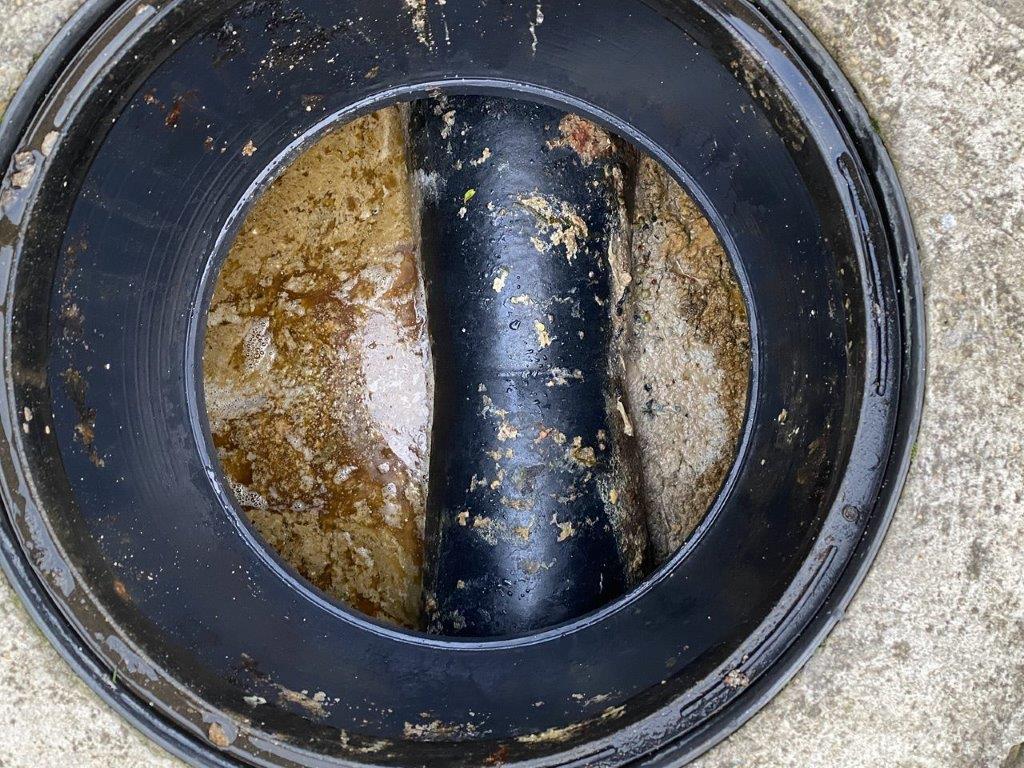
Across the UK, waste remains one of the biggest barriers to sustainability. Food and packaging dominate the conversation, yet hidden within both is a persistent challenge. FOG waste blocks sewers, contributes to fatbergs, increases carbon emissions and drives millions of pounds in reactive maintenance every year.

Eco Clarity’s patented FOG Recovery Hub technology changes this completely. Instead of being disposed of at the lowest value, FOG is recovered, upgraded and transformed into a high-value renewable feedstock. This supports a cleaner wastewater network and cuts CO₂ emissions at scale.

Our closed-loop model keeps this material in use and supports local decarbonisation by feeding into renewable fuel production. This is circularity in action, built for scale and already delivering measurable impact.

Why the award matters

Waste2Zero was the first awards programme in the UK that focused entirely on waste innovation when it launched in 2017. Now in its ninth year, it is judged by an expert panel across sustainability, packaging, resource management and operational strategy.

Winning the Best Closed Loop Project shows that Eco Clarity is not only addressing a national environmental problem. We are leading the transformation of how organisations think about and manage FOG.

Southern Water’s commitment to innovation has been essential to this success. Together, we have shown that utilities, technology partners, local communities and wider stakeholders can build a fully circular model that prevents pollution, strengthens regional engagement and supports wider net zero goals.

A platform for national change

This award is more than recognition. It is momentum and proof that the industry is ready for a new approach that keeps waste in use, reduces reliance on fossil fuels and supports cleaner environments for communities across the country.

A huge thank you to Southern Water for their partnership, to the Waste2Zero judging panel and to everyone who supports our mission.
FOG Recovery - Food Manufacturers - Salmon

Do you know where your grease trap waste ends up?

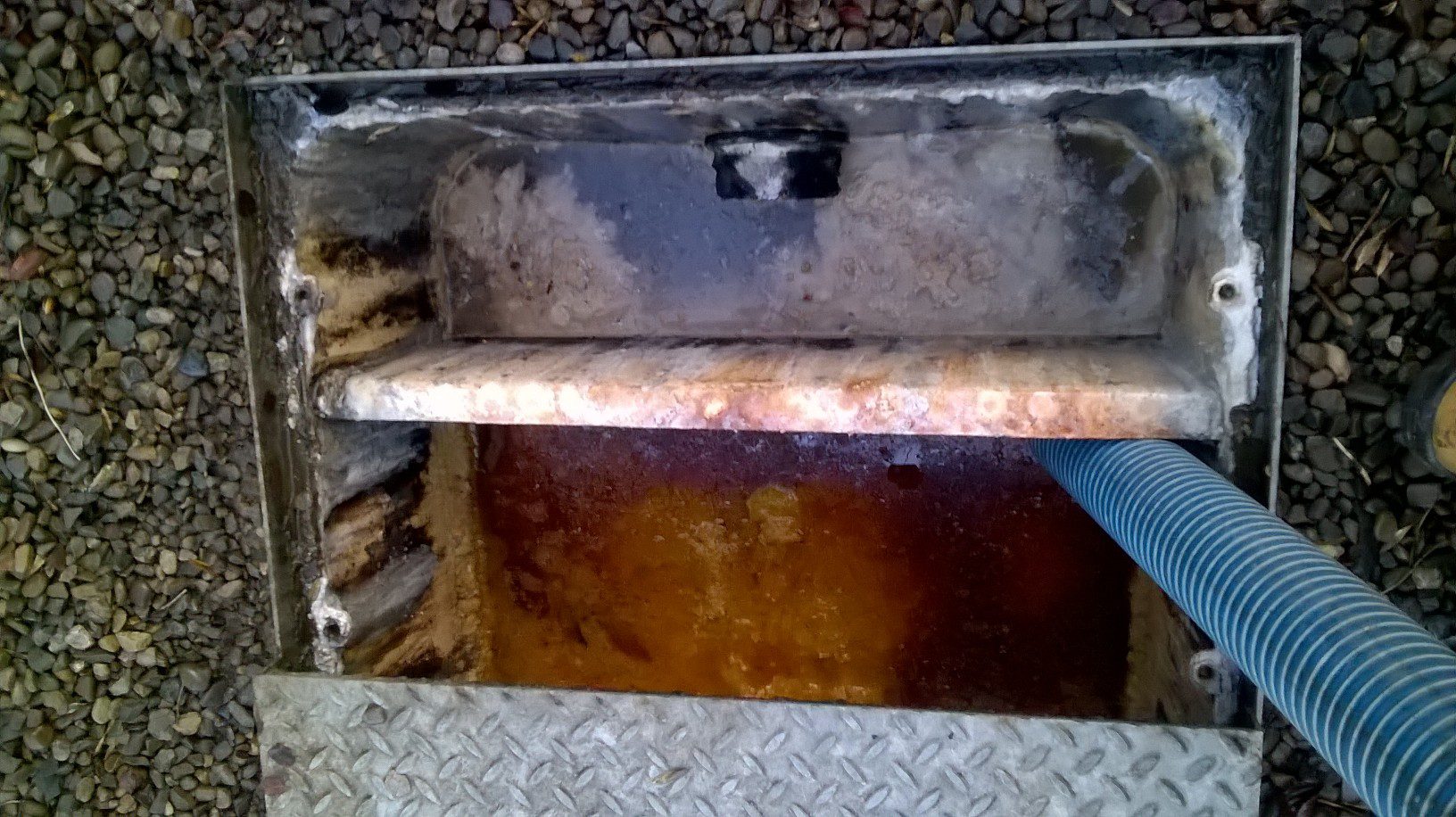
outside grease trap full of fat, oil and grease

For many food businesses, once the grease trap has been emptied, the job feels finished. The drains are clear, production continues and the waste is gone. But is it really?

Every litre of fat, oil and grease (FOG) waste collected from your site has a destination. If it is not taken to a licensed recycling facility, your business can still be responsible for what happens next.

Why it matters

Grease trap waste that is not handled correctly does not disappear. It can end up poured into sewers, mixed with other waste, or dumped illegally. When this happens, it contributes to blockages and pollution incidents.

Under UK law, the producer of the waste remains responsible until it is safely and legally disposed of, even if a contractor removes it. This is part of your Duty of Care under the Environmental Protection Act 1990.

If your waste causes a pollution incident, both you and your contractor could face fines or enforcement action from the Environment Agency or your local water company.

Your legal obligations

Food manufacturers, processors and producers have a legal duty to comply with regulations controlling FOG waste.

Water Industry Act 1991, Section 111
It is an offence to discharge anything into public sewers that may cause blockages or interfere with flow.
Section 111 Restrictions on use of public sewers

Environmental Protection Act 1990
All businesses must store, transport and dispose of waste safely through licensed carriers.
Dispose of business or commercial waste

Building Regulations (Approved Document H)
Commercial hot food premises should install grease separators or other effective means of preventing FOG from entering drains.

Statutory guidance for drainage and waste disposal

Failure to meet these obligations can result in fines, clean-up costs and possible prosecution.

grease trap being pumped out

If your grease trap isn’t emptied often enough, it can overflow, block drains and lead to costly pollution fines.

What you are liable for

    • Installation and maintenance
      If your site does not have a suitable grease trap or it is not serviced regularly, you may be liable for any resulting damage or blockages.

    • Waste disposal chain
      Even if you use a contractor, you are responsible for ensuring they are licensed and that the waste goes to an approved facility.

    • Records and proof
      You must keep waste transfer notes and documentation showing how your FOG waste is handled and where it goes.

    • Environmental impact
      Illegal dumping or poor management can lead to pollution, odour problems and damage to local infrastructure, all traceable back to your business.

What you should do

    • Check your contractors
      Ask for their waste carrier licence and the permit of the facility they use.
      Check a waste carrier licence here

    • Keep records
      Keep copies of all waste transfer notes for at least two years. These must include details of what was collected, when, by whom and where it went.

    • Schedule regular maintenance
      Grease traps should be emptied and cleaned on a regular schedule depending on kitchen use. For high-output sites, this could mean every four to six weeks.

    • Ask where your waste goes
      Responsible contractors will tell you exactly where the waste is recycled or processed. If they cannot, that is a red flag.

    • Choose recycling
      When grease trap waste is recycled through licensed FOG recovery facilities, it can be converted into renewable biofuel feedstock rather than sent to landfill.

In summary

If you cannot confidently answer the question “Where does our grease trap waste go?” it is time to find out. Poor management of FOG waste risks more than your drains. It can lead to fines, reputational damage and environmental harm.

At Eco Clarity, we work with food manufacturers, producers and waste management companies to make sure grease trap waste is tracked, recycled and turned into renewable energy. This helps businesses stay compliant and be more sustainable.

Ready to recover more from your waste?

We’re helping businesses across the UK turn FOG and GRU waste into renewable value. 

Eco Clarity named Most Promising Young Business and Innovation winner

FOG Recovery - Food Manufacturers - Salmon

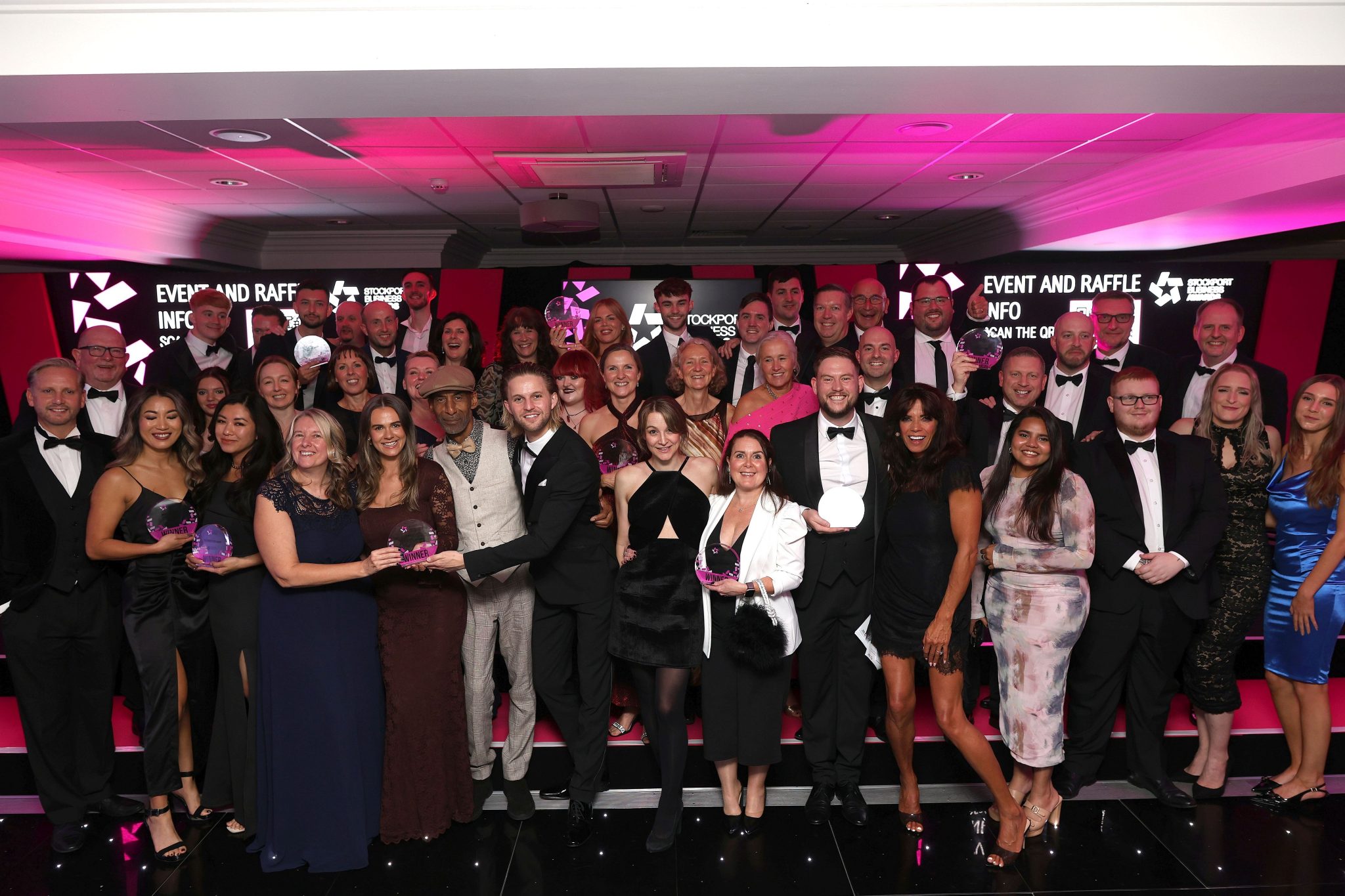
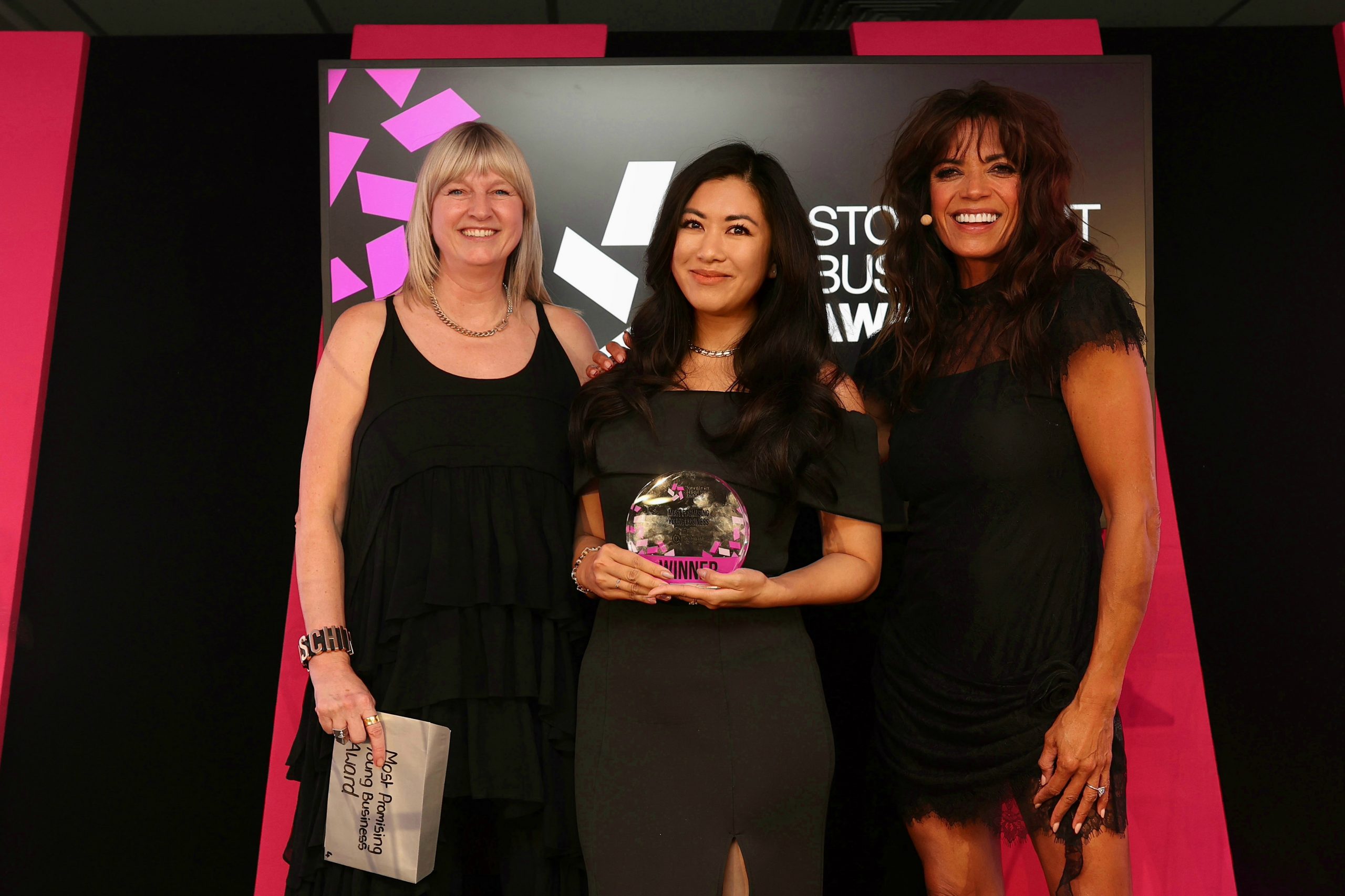
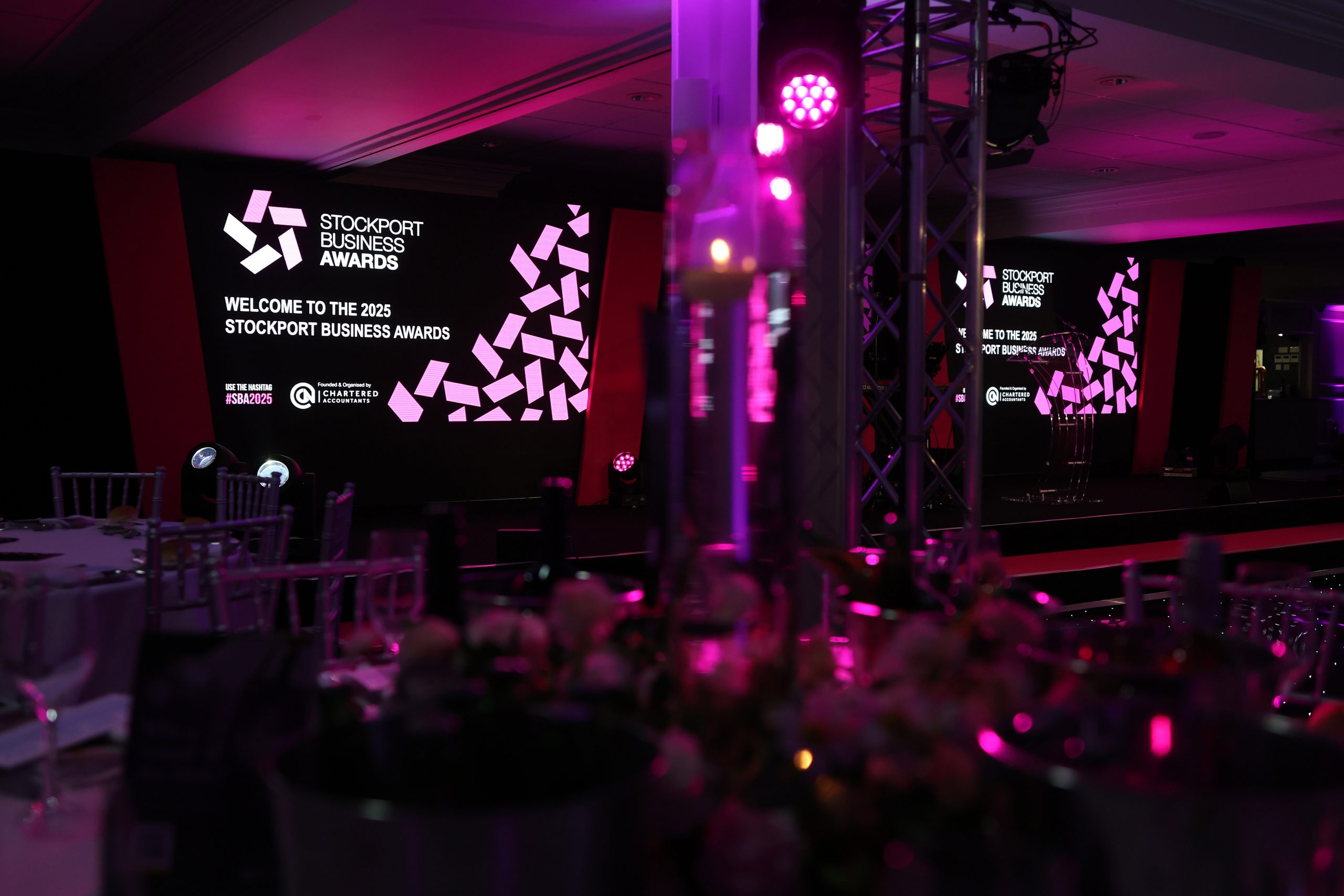
We are incredibly proud to share that Eco Clarity has been recognised with two awards at this year’s Stockport Business Awards. We took home Most Promising Young Business, sponsored by Stockport Council with Stockport Economic Alliance and The Innovation Award, sponsored by CN Financial Planners.

Both awards mark a huge milestone in our first year of operations in Stockport, recognising the progress we have made in creating a circular and sustainable solution for managing fats, oils, and grease (FOG) waste.

At Eco Clarity, our mission is to stop FOG pollution before it reaches sewers by recovering and recycling it into renewable energy. We work with all stakeholders from food producers, to waste hauliers, water companies and local authorities, to close the loop and turn waste into a resource that supports cleaner networks, carbon reduction and biofuel production.

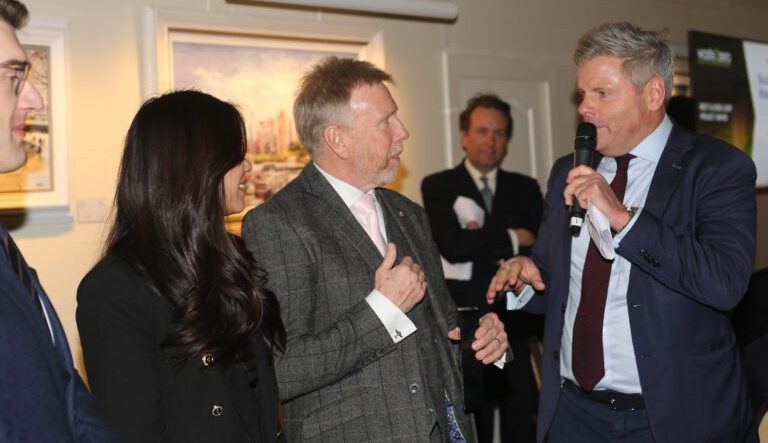
Laura Su, who collected the awards on behalf of Eco Clarity, said:

“We are so incredibly proud to be recognised for not one, but two awards in our first year of operations in Stockport. These awards are a reflection of the hard work, belief and innovation across our whole team and partners. We are ready to make big environmental change right here from Stockport across Greater Manchester and the wider North West region.”

Our sincere thanks go to Stockport Council, Stockport Economic Alliance and CN Financial Planners for sponsoring these awards, and to the Stockport Business Awards team for hosting such an inspiring evening celebrating local business excellence.

We’re proud to base our team and innovation in Stockport, driving the future of sustainable FOG management across the region.

See how we support local businesses at our Food Manufacturers page

FOG Recovery - Food Manufacturers - Salmon

Measuring and repurposing FOG waste

EcoClarity Kitchen Waste Disposal

For too long, businesses have had limited visibility over what happens to their fat, oil and grease (FOG) waste once it leaves their site.

Traditional waste disposal routes often provide little to no data, making it difficult to track volumes, understand impact, or report on sustainability performance.

At Eco Clarity, we are changing that.

Our real-time, cloud-based tracking system provides businesses with full transparency on every load collected, offering:

  • Precise measurement of total waste and FOG
  • Detailed breakdown of waste composition
  • Traceable data for compliance and sustainability reporting

This level of traceability is unmatched in the industry. Businesses no longer have to guess where their waste is going or how it is being processed. Instead, they gain full oversight and control over their waste stream, ensuring compliance, operational efficiency and clear environmental reporting.

Beyond waste: Turning FOG into a valued resource

FOG waste has long been seen as a disposal challenge but holds significant untapped value. When properly collected and processed, it becomes a high-quality feedstock for biofuel production, reducing reliance on fossil fuels and contributing directly to the UK’s net-zero targets.

Through our process:

  • Every drop of FOG waste is measured, valued and repurposed into a useful resource rather than being simply disposed of.
  • Businesses can quantify and report their carbon savings, supporting their ESG and Scope 3 emissions targets.
  • Waste that would otherwise enter mixed waste streams or even anaerobic digestion (AD) is given greater value, improving its calorific content and impact.
  • Support a new, sustainable market for FOG waste, transforming homegrown waste into a feedstock that directly supports the UK’s renewable energy transition and 2030 net-zero goals.

A smarter, more accountable approach to waste management

By providing businesses with real-time data and complete transparency, we enable them to make informed, strategic decisions about their waste. No other known provider offers this level of insight into FOG waste disposal.

The result? A fully traceable, efficient, and high-value waste management solution that recovers even the smallest waste value and transforms it into something greater.

At Eco Clarity, we believe FOG should be a resource rather than an afterthought.

Let’s work together

If green and transparent data is important to your operations, contact us to find out how we can work together.

Great Northern Conference 2024

EcoClarity Kitchen Waste Disposal

Chancellor Rachel Reeves at the Great Northern Conference 2024 

The Great Northern Conference 2024, held on December 3rd in Hull, convened political leaders, businesses and academics to discuss the North’s economic development and environmental sustainability. Chancellor Rachel Reeves announced new powers for regional mayors to stimulate economic growth and attract investment, emphasising the importance of local leadership in fostering innovation and addressing regional disparities.

EcoClarity Kitchen Waste Disposal

A significant focus of the conference was the North’s role in achieving the UK’s net-zero targets. Panels explored how the region can contribute to making Britain a “clean energy superpower,” highlighting the Humber Freeport’s efforts in attracting over £1 billion in investments across sectors like advanced manufacturing and green technologies.

EcoClarity Kitchen Waste Disposal

At Eco Clarity, we are committed to supporting these initiatives by providing comprehensive environmental services in the field of FOG waste recovery. Our expertise in sustainable development, renewable energy integration and environmental impact assessments can assist local authorities and businesses in implementing effective strategies to meet net-zero goals. By collaborating with stakeholders, we aim to drive innovation and promote sustainable economic growth across the North from our current locations in Hull and Stockport.

EcoClarity Kitchen Waste Disposal

The conference highlighted the necessity of collaboration among government, industry and communities to build a greener, fairer future. Eco Clarity is dedicated to playing a part in this transformation, offering tailored solutions for recoverable fat, oils and grease waste that align with the North’s environmental and economic objectives. 

Conference summary by the Yorkshire Post: https://www.yorkshirepost.co.uk/news/great-northern-conference-rachel-reeves-reveals-plan-for-mayors-to-win-investment-for-university-spinout-companies-4901064

Call Now Button