
The FOG
NETWORK
2026
Sewer Stewardship and Resource Recovery
12th - 13th May, London
MOVING THE
NEEDLE.
A water company initiative, funded by Thames Water and Southern Water and facilitated by Eco Clarity, the FOG Network 2026 brings the sector together to manage FOG properly, end to end.
If we can trace FOG all the way from source to recoverable end point, we can prove that preventable FOG is staying out of the sewer network. Fewer blockages, fewer pollution events, stronger sewer stewardship.
This is an action-based workshop, designed to turn industry challenges into measurable results.
01
1. Beyond the trap
Grease traps remain a critical first step in protecting sewer networks. However, trapping alone does not guarantee prevention.
By connecting every link in the chain, FOG management can deliver both short-term network protection and long-term resilience.
02
2. Blockage reduction data
To demonstrate real progress, the sector needs clear, consistent and evidence-based measurement.
Defining the data required supports water company and environmental goals by evidencing FOG blockages and pollution.
03
3. Fully joined-up system
To prevent FOG falling through the cracks and returning to the sewer, resource recovery must be treated as the end point.
To close the loop, material must move into controlled recovery routes, strengthening transparency and end-to-end accountability.
SEWER STEWARDSHIP
and resource recovery.
FOG (fats, oils and grease) is one of the leading causes of sewer blockages in the UK. It is also a material with genuine recovery value, and the conditions are right to start realising it.
The FOG Network 2026 is a working conference convened by Thames Water and Southern Water, and in partnership with Eco Clarity. This is not a typical conference. It is a day of expert-led panels and collaborative, cross-sector workshops designed to do something the sector has not yet done: establish how the full FOG value chain should work as one system, and define the data needed to evidence sewer stewardship as the end goal.
The ambition is clear. FOG should not be blocking sewers. It should be reaching resource recovery routes. Making that the norm requires everyone who plays a role in how FOG is managed to get into the same room, work through the same problems, and leave ready to act.
That means waste operators, water companies, recovery facilities, regulators, hospitality businesses, compliance professionals and everyone in between. If FOG touches your work, your perspective belongs in this conversation.
What you will be part of
- Sewer stewardship and the future of FOG
Senior water industry leaders set out the strategic case for why this moment matters. The scale of the opportunity, the urgency of the challenge, and what it looks like when the sector gets this right. - From collection to recovery
A frank, expert examination of the FOG supply chain from collection to endpoint. Where value is being lost today, what is standing in the way, and what it would genuinely take to make resource recovery the outcome every time. - Proving prevention
This session defines what it looks like to prove it. A focused conversation on the data, the gaps, and the framework needed to give water companies, regulators and the wider sector the evidence to demonstrate real impact. - Three facilitated workshops
The part of the day where progress gets made. Structured, cross-sector working sessions in which delegates map the system, develop solutions and define the data infrastructure needed to evidence stewardship across the chain. The outputs from each session feed directly into the next. - The industry consensus panel
Key findings from across the workshops are brought to the room, the floor is opened for delegate contributions, and the collective thinking of everyone present is shaped into a clear, shared view of where the sector goes from here.
Event Supporters
Media partner

Evening social sponsor

What’s On and Get involved.
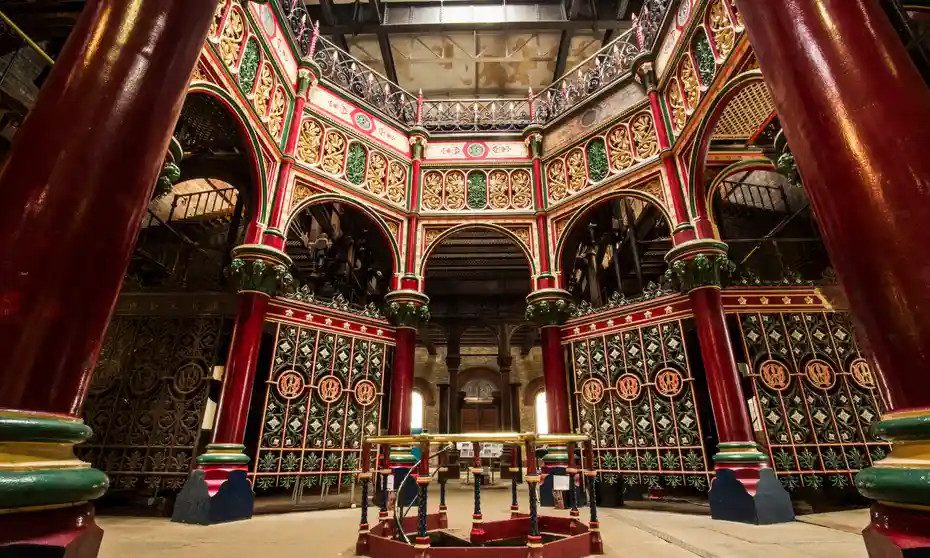
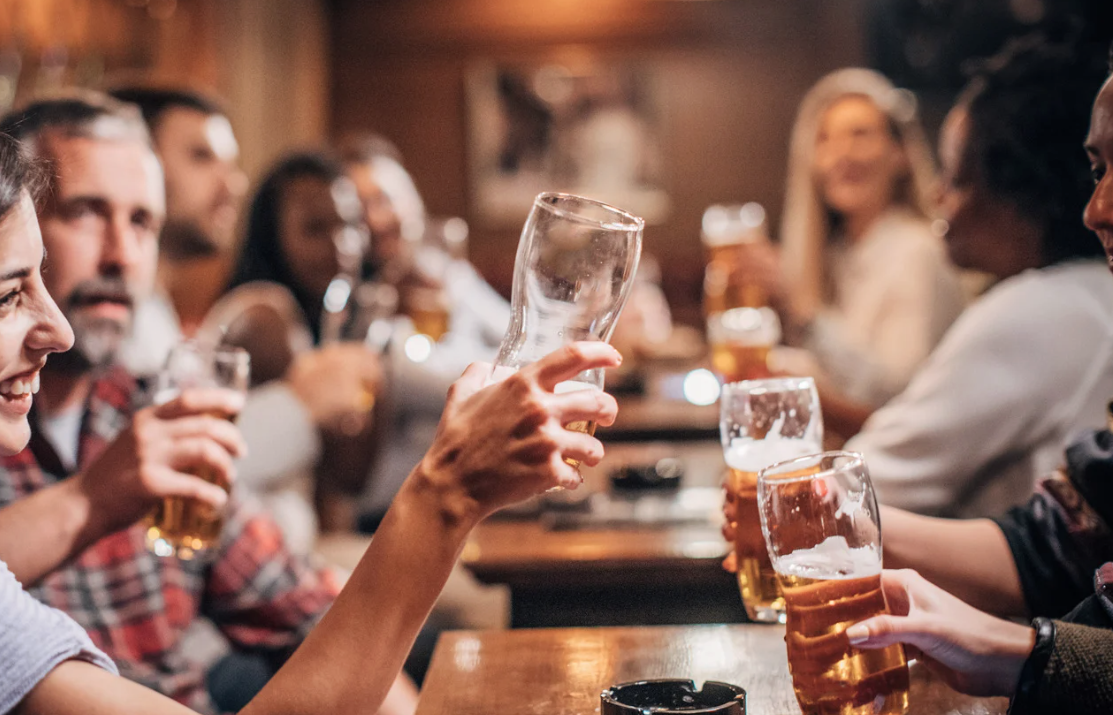
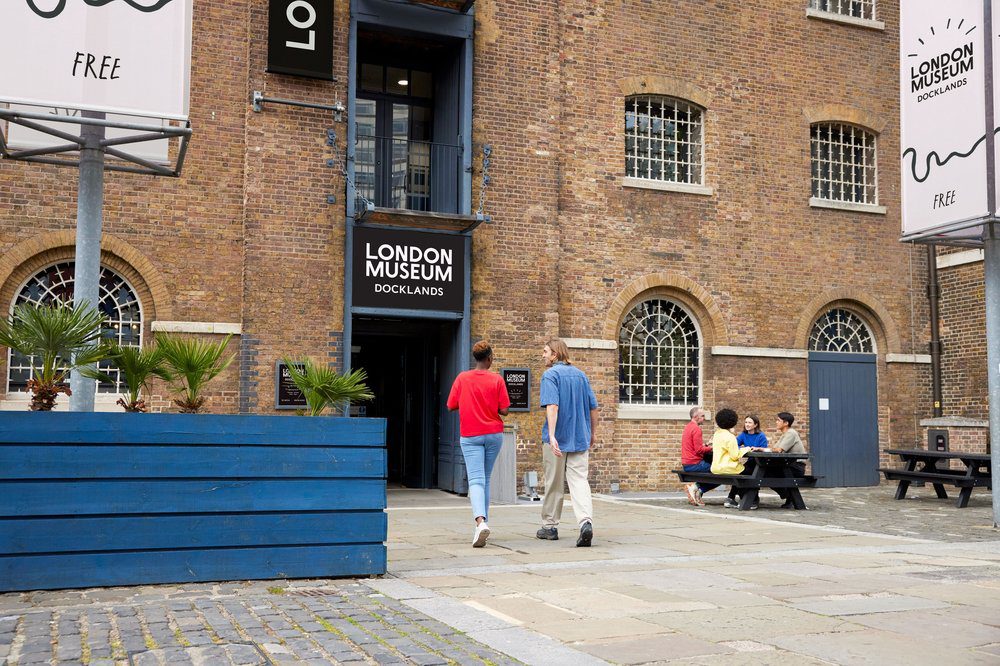
JOIN THE FOG NETWORK
Be part of the conversation shaping the future of sewer stewardship and resource recovery.
agenda
The key sessions.
1. Sewer stewardship and the future of FOG: The case for change
Senior leaders from across the water sector set the direction for the day, exploring how the industry is moving from wastewater management towards bioresource recovery and where FOG fits within that shift as a material with real recovery value. The case is made for why incremental improvement is no longer sufficient, what genuine sector-wide collaboration looks like in AMP8 and beyond, and what success actually means for sewer stewardship at scale.
2. After the grease trap: The FOG supply chain from collection to recovery
An honest, expert account of how the FOG supply chain operates today, following the material from the moment it leaves site. Perspectives from across the value chain explore where it goes, how it moves, where visibility is lost, and where recovery is and is not happening. The structural, behavioural and contractual barriers standing between current practice and a system where resource recovery is the expected and accountable endpoint are examined in full.
3. Proving prevention: Building the evidence base for sewer stewardship
Moving from designing the solution to proving it works, this session examines what data currently exists across the FOG chain, where the critical gaps lie, and what a credible evidence base needs to look like for water companies and regulators to demonstrate real outcomes. The metrics, the chain of custody and the measurement framework the sector needs to evidence stewardship at every stage are defined by the people best placed to know.
WHO SHOULD
ATTEND.
Managing FOG
Water companies
Local authorities
Regulators
Moving FOG
Waste management
Hauliers
Grease contractors
Producing FOG
Hospitality
Food manufacturers
Commercial kitchens
Recovering FOG
Treatment
Processing
Circular economy
Sector partners
Consultancy
Solution providers
Industry bodies